A transparent cost breakdown comparing peptide pens to traditional vials. When you add up hidden costs like bacteriostatic water, syringes, and waste, which format actually saves money?
7 min read · Updated 2026-04-10
Why Upfront Price Is Misleading
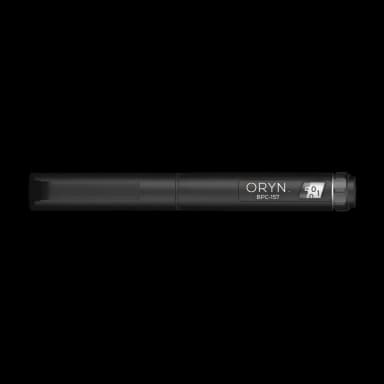
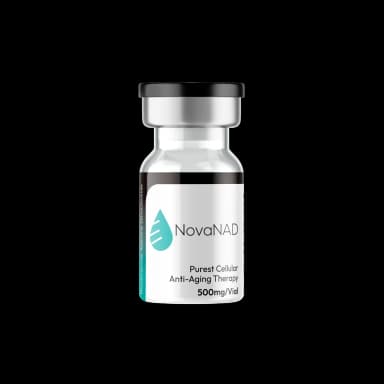
The most common objection to peptide pens is price. A vial of lyophilised BPC-157 might cost EUR60, while an ORYN pen containing the same compound costs EUR129-189. On the surface, the vial looks like the obvious bargain.
But upfront price is only one piece of the equation. Vials require a stack of additional supplies, and the reconstitution process introduces waste that most buyers overlook. When you calculate the true per-dose cost of each format, the gap narrows significantly and often disappears entirely.
This guide provides a transparent, line-item comparison so researchers can make informed purchasing decisions based on real numbers rather than sticker prices. All costs are based on average 2026 European market prices for research-grade products.
Hidden Costs of Vial-Based Peptides
To use a peptide vial, you need more than just the vial itself. Here is what a complete vial setup costs:
- Bacteriostatic water (BAC): EUR5-10 per 10ml vial. One BAC vial typically reconstitutes 1-2 peptide vials. - Insulin syringes: EUR10-20 for a box of 100. A 30-day protocol uses approximately 30 syringes. - Alcohol swabs: EUR3-5 for a box of 100. - Reconstitution needles: EUR5-8 for drawing needles used to mix the BAC water into the vial. - Sharps disposal container: EUR5-10 for proper disposal of used needles.
Total accessory cost per 30-day protocol: approximately EUR28-53. This is before accounting for product waste, which we address in the next section. These costs recur with every new vial, compounding over multi-month research protocols.
FEATURED PRODUCT
BPC-157 — Regeneration Research Peptide
10 mg · >99% purity · GMP
The Waste Factor: Dead Volume and Reconstitution Errors
Waste is the hidden cost that most researchers underestimate. There are two primary sources of waste with vial-based peptides:
Dead volume: Every syringe and every vial has dead space, the small amount of liquid that remains in the needle hub and vial bottom and cannot be drawn out. This typically accounts for 5-10% of total product. Over a 30-day protocol, that is 1.5-3 doses lost.
Reconstitution errors: Incorrectly measuring BAC water changes the concentration of the entire vial. Add too little water and doses are too concentrated; add too much and they are too dilute. Studies on manual reconstitution accuracy show a typical variance of plus or minus 10-15%. This means some doses deliver significantly less active compound than intended.
Contamination waste: If a vial becomes contaminated due to improper aseptic technique, the remaining contents must be discarded. This can mean losing 50-80% of the product.
Peptide pens eliminate all three sources of waste. The sealed cartridge system has zero dead volume, factory-calibrated dosing eliminates concentration errors, and the sealed delivery mechanism prevents contamination.
Per-Dose Cost Comparison
Here is the real comparison that matters, cost per accurately delivered dose:
BPC-157 Vial Protocol (30 days): - Peptide vial (5mg): EUR60 - BAC water: EUR7 - Syringes (30x): EUR6 - Alcohol swabs: EUR2 - Sharps container (shared): EUR2 - Waste factor (8% average): EUR5 - Total: approximately EUR82 - Per-dose: approximately EUR2.73
BPC-157 ORYN Pen (30 days): - Pre-filled pen: EUR129-189 (depending on product tier) - Pen needles (included): EUR0 - No BAC water, no additional syringes - Waste factor: <1% - Total: EUR129-189 - Per-dose: EUR4.30-6.30
The pen costs more per dose, but delivers guaranteed accuracy (<2% variance versus 10-15% with vials), zero contamination risk, and zero preparation time. For research where data consistency matters, the pen premium is an investment in data quality.
The Convenience Value
Cost is not measured in currency alone. Time has value, and the vial reconstitution process adds meaningful friction to daily research protocols.
Vial preparation time per dose: - Clean workspace: 2 minutes - Draw BAC water (first use only): 3 minutes - Draw dose from reconstituted vial: 3-5 minutes - Cleanup and sharps disposal: 2 minutes - Total: 7-12 minutes per dose
Pen preparation time per dose: - Attach pen needle: 30 seconds - Dial dose and administer: 30 seconds - Remove and dispose of needle: 15 seconds - Total: approximately 75 seconds
Over a 30-day protocol, vials consume 3.5-6 hours in preparation time. Pens take approximately 37 minutes total. For laboratories running multiple concurrent protocols, this time savings is substantial.
ORYN pens ship ready to use. No refrigerated BAC water to source separately, no reconstitution calculations, and no specialised technique required. This makes them particularly valuable for research teams onboarding new staff.
When Vials Still Make Sense
Despite the advantages of pens, vials remain the better choice in certain scenarios:
- Custom concentration protocols: If your research requires non-standard concentrations, vials allow you to adjust the reconstitution ratio to suit your protocol. - Extremely cost-sensitive projects: When budget is the absolute primary constraint and dosing accuracy is less critical, the lower upfront cost of vials can be decisive. - High-volume bulk research: Institutional buyers running very large-scale protocols may find bulk vial pricing more economical than pen equivalents. - Compounds not available in pen format: Not all peptides are available as pre-filled pens. For less common research compounds, vials may be the only option.
For the majority of research applications, particularly protocols requiring consistent dosing over multiple weeks, ORYN peptide pens provide the better overall value when total cost of ownership, time savings, and data quality are factored in.
All ORYN products are for research purposes only.