A comprehensive review of the best peptides for muscle recovery research in 2026. Comparing BPC-157, TB-500, CJC-1295, and ipamorelin by mechanism of action, preclinical evidence, and research applications.
10 min read · Updated 2026-04-10
Why Peptides Are Central to Muscle Recovery Research
Muscle recovery research has advanced significantly over the past decade, with peptides emerging as key compounds for studying the biological mechanisms underlying tissue repair. Unlike broad-spectrum anti-inflammatory agents, peptides can target specific pathways involved in muscle regeneration, making them invaluable tools for researchers.
The four peptides most commonly studied for muscle recovery are BPC-157, TB-500, CJC-1295, and ipamorelin. Each acts through distinct mechanisms: BPC-157 primarily through angiogenesis and nitric oxide modulation, TB-500 through actin sequestration and cell migration, and CJC-1295/ipamorelin through growth hormone axis stimulation.
This guide reviews the preclinical evidence for each compound and provides practical considerations for researchers designing muscle recovery protocols. All data presented comes from published preclinical studies. These peptides are sold exclusively for research purposes by ORYN, with >99% purity and GMP certification.
BPC-157: The Most Studied Recovery Peptide
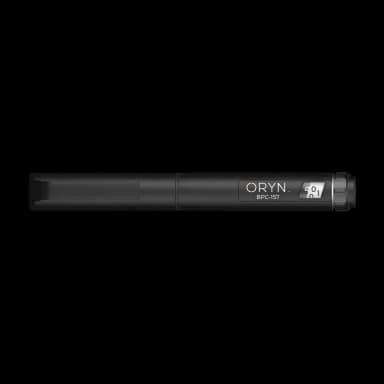
BPC-157 (Body Protection Compound-157) is a 15-amino acid peptide derived from human gastric body protection protein. With over 100 peer-reviewed preclinical publications, it is the most extensively studied peptide in the context of tissue recovery.
Key mechanisms relevant to muscle recovery: - Promotes angiogenesis (new blood vessel formation), critical for delivering oxygen and nutrients to damaged muscle tissue - Modulates the nitric oxide (NO) system, influencing vasodilation and blood flow - Upregulates VEGF (vascular endothelial growth factor) expression - Activates the FAK-paxillin signalling pathway, involved in cell adhesion and migration - Demonstrates cytoprotective properties across multiple tissue types
Preclinical evidence in muscle models: Studies in animal models have shown accelerated recovery in crushed muscle, transected muscle, and denervated muscle preparations. BPC-157 has also shown positive effects on tendon-to-bone healing, which is relevant for musculoskeletal recovery research.
Available from ORYN as a pre-filled peptide pen with factory-calibrated dosing. >99% purity, GMP manufactured in South Korea. For research purposes only.
FEATURED PRODUCT
BPC-157 — Regeneration Research Peptide
10 mg · >99% purity · GMP
TB-500: Cell Migration and Muscle Repair
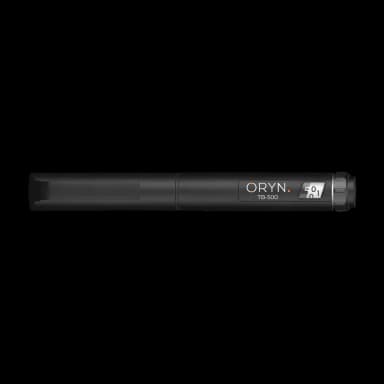
TB-500 is a synthetic fragment of thymosin beta-4 (TB4), a 43-amino acid protein found in virtually all human cells. TB-500 contains the LKKTETQ sequence, the actin-binding domain responsible for cell migration.
Key mechanisms relevant to muscle recovery: - Sequesters G-actin monomers, promoting actin polymerisation and cytoskeletal reorganisation - Drives cell migration toward sites of injury, a critical step in muscle repair - Modulates inflammatory responses, potentially reducing excessive inflammation that impedes recovery - Regulates matrix metalloproteinases (MMPs), enzymes involved in extracellular matrix remodelling - Promotes differentiation of progenitor cells
Preclinical evidence in muscle models: Animal studies have demonstrated improved outcomes in cardiac muscle injury, skeletal muscle damage, and wound healing models. TB-500 is particularly relevant for research into the early phases of muscle repair when cell migration is most critical.
BPC-157 + TB-500 combination: The BPC-157/TB-500 stack is among the most widely used combinations in peptide research. The compounds act through complementary pathways, making them suitable for studies examining synergistic effects on tissue repair.
Both available as individual ORYN pre-filled pens. For research purposes only.
CJC-1295 and Ipamorelin: Growth Hormone Axis
CJC-1295 and ipamorelin are peptides that stimulate the growth hormone (GH) axis through different receptor targets, making them frequently used together in research protocols.
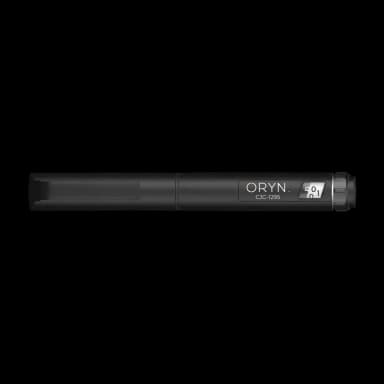
CJC-1295 (GHRH analogue): - Modified growth hormone releasing hormone analogue with extended half-life - Stimulates GH release from the anterior pituitary via the GHRH receptor - Promotes pulsatile GH secretion, mimicking physiological patterns - Relevant to muscle recovery through GH-mediated IGF-1 production, which supports protein synthesis and tissue repair
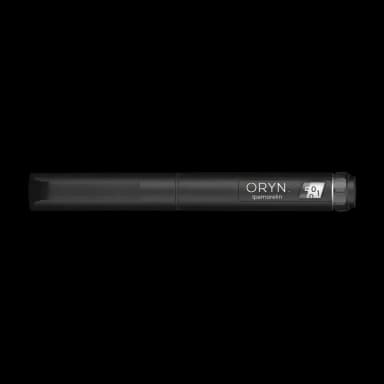
Ipamorelin (GH secretagogue): - Selective growth hormone secretagogue that activates the GHS-R1a receptor - Does not significantly affect cortisol or prolactin levels in preclinical models - Promotes GH release through a mechanism complementary to CJC-1295 - Studied for its potential role in supporting anabolic processes relevant to muscle recovery
Why researchers combine them: CJC-1295 and ipamorelin stimulate GH release through different receptor pathways (GHRH-R and GHS-R1a respectively). Combining them may produce a more robust and physiologically relevant GH response than either compound alone, which is valuable for muscle recovery research.
Both available as ORYN pre-filled pens. >99% purity, GMP certified. For research purposes only.
Comparing Recovery Peptides: Which to Choose
Selecting the right peptide depends on the specific research question and target mechanism.
For tissue regeneration and angiogenesis research: BPC-157 is the strongest candidate, with the most extensive evidence base across multiple tissue types including muscle, tendon, ligament, and nerve.
For cell migration and cytoskeletal research: TB-500 offers unique mechanisms related to actin dynamics and cell motility that are not addressed by other peptides in this category.
For growth hormone axis and protein synthesis research: The CJC-1295/ipamorelin combination provides the most targeted approach to studying GH-mediated recovery mechanisms.
For comprehensive recovery protocols: Researchers studying multi-pathway recovery often use BPC-157 + TB-500 as a foundation, with CJC-1295/ipamorelin added for GH axis stimulation.
Practical considerations: - All ORYN peptide pens are pre-filled, eliminating reconstitution variability - Dosing precision under 2% variance ensures reproducible results - >99% purity verified by HPLC with COA included - GMP manufacturing in South Korea - EU shipping with 3-5 day delivery, next-day UK delivery - Free shipping on orders over EUR175 (GBP130)
All products are for research purposes only.