A practical price guide for research peptides in Europe. Understand what drives cost differences between suppliers, and learn how to find genuine value without sacrificing quality.
8 min read · Updated 2026-04-10
What Determines Peptide Pricing in Europe
Peptide prices across European suppliers can vary by 200-400% for seemingly identical compounds. Understanding what drives these price differences is essential for researchers who want value without compromising quality.
The primary cost factors are:
- Synthesis method and scale: Solid-phase peptide synthesis (SPPS) costs vary significantly based on sequence length, complexity, and production scale. Longer peptides and those requiring post-translational modifications cost more to produce. - Purity level: The difference between 95% and 99% purity requires additional purification steps (typically preparative HPLC), which adds considerable cost. Each percentage point above 98% becomes exponentially more expensive to achieve. - Manufacturing certification: GMP-certified production adds 30-50% to manufacturing costs compared to non-certified facilities, but guarantees batch-to-batch consistency. - Testing and documentation: Independent third-party COAs cost the supplier EUR50-200 per batch. Suppliers who skip this step can undercut competitors on price. - Format and formulation: Pre-mixed solutions and pen formats cost more than lyophilised powder due to additional formulation, sterile filling, and device costs.
The True Cost of Cheap Peptides
When a supplier offers peptides at prices dramatically below market average, something has been cut. The most common compromises are:
Purity shortcuts: The single biggest cost variable. A peptide advertised as 98% pure but actually testing at 90% is substantially cheaper to produce. Without your own HPLC analysis, you have no way to verify claims from suppliers who do not provide batch-specific COAs.
Non-GMP manufacturing: Facilities without GMP certification may have inconsistent environmental controls, cleaning procedures, or quality checkpoints. Batch-to-batch variability can undermine research reproducibility.
Generic or fabricated COAs: Some budget suppliers provide template COAs that are not tied to your specific batch. Others reuse old certificates. Always look for batch numbers that match your product labelling.
Poor cold-chain handling: Shipping peptides in standard envelopes without insulation saves the supplier EUR3-8 per order but exposes temperature-sensitive compounds to degradation during transit.
Undisclosed origin: The cheapest peptides on the European market are typically sourced from unaudited Chinese synthesis labs and repackaged by intermediaries with no quality oversight.
For research purposes, degraded or impure peptides do not just waste money. They produce unreliable data that can invalidate entire studies.
FEATURED PRODUCT
BPC-157 — Regeneration Research Peptide
10 mg · >99% purity · GMP
Price Ranges by Compound (Europe 2026)
Based on a survey of major European peptide suppliers in early 2026, here are typical price ranges for popular research compounds in standard research quantities:
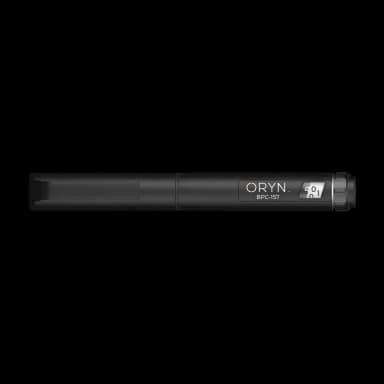
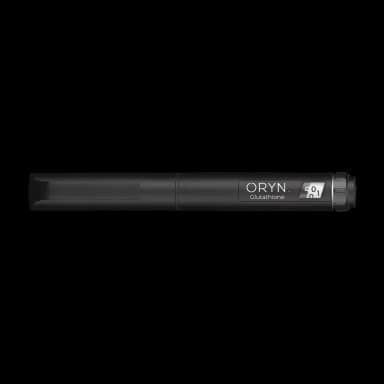
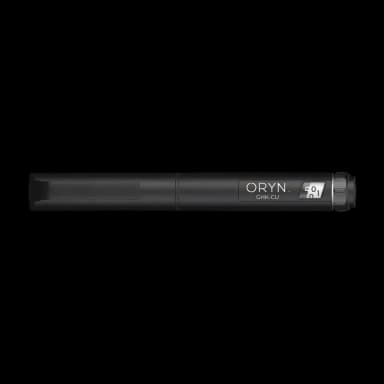
- BPC-157 (5mg vial / pen): EUR45-189. Budget vials start around EUR45 but frequently test below stated purity. GMP pen formats like ORYN range EUR129-189 for a complete 30-day supply. - TB-500 (5mg): EUR50-175. Similar range, with quality correlating strongly to price. - GHK-Cu (50mg): EUR35-149. Wide availability keeps prices competitive, but copper complexation quality varies dramatically between suppliers. - NAD+ (injectable grade): EUR80-229. Purity is especially critical for NAD+ as degradation products can interfere with research outcomes. - Tirzepatide (research grade): EUR149-349. High synthesis complexity makes this one of the most expensive peptides. Extremely low prices are a major red flag. - Glutathione (injectable): EUR30-129. Relatively simple tripeptide but oxidation sensitivity means formulation quality matters greatly.
Prices reflect significant variation in purity, format, and included accessories. Direct comparison requires normalising for purity level and total cost of use.
How ORYN Delivers Value Without Cutting Corners
ORYN occupies the mid-to-premium price tier in the European market, and for good reason. Every ORYN peptide pen includes features that budget suppliers omit:
- >99% purity verified by independent third-party HPLC and mass spectrometry. Not a claim, a documented and verifiable fact shipped with every order. - GMP manufacturing in South Korea. One of the most rigorously regulated pharmaceutical manufacturing environments in the world. - Pre-filled pen format with factory-calibrated dosing. Eliminates the EUR28-53 in accessories required for vial use, plus reduces waste to under 1%. - Cold-chain shipping included. Insulated packaging with temperature monitoring is standard on every order, not an expensive add-on. - Free shipping thresholds. Orders over GBP130 (UK), EUR175 (EU), USD175 (US), or BRL750 (Brazil) ship free. - Full product range. BPC-157, TB-500, GHK-Cu, glutathione, NAD+, tirzepatide, CJC-1295, ipamorelin, and more, all in the same consistent pen format.
When you factor in accessories, waste, and the actual purity you receive, ORYN pens are competitively priced against quality vial suppliers and significantly more convenient.
Smart Buying Strategies for European Researchers
Maximise your research budget with these practical approaches:
1. Calculate total cost, not sticker price. Add BAC water, syringes, swabs, and waste to any vial quote before comparing to pen pricing. The true per-dose cost is the only meaningful comparison.
2. Meet free shipping thresholds. ORYN offers free shipping on orders over EUR175 in the EU. Consolidating orders to meet this threshold can save EUR15-30 per shipment.
3. Request batch-specific COAs. Before buying from any supplier, ask for a COA tied to the specific batch you will receive. Refusal to provide this is a disqualifying red flag.
4. Verify purity claims independently. If your institution has HPLC access, periodically test incoming peptides. This is the single most effective quality assurance measure.
5. Avoid bulk purchases from unverified suppliers. Start with a small order, verify quality, then scale. A bulk order of impure peptide is worse than useless.
6. Factor in stability and shelf life. ORYN pens offer a 24-month shelf life at 2-8 degrees Celsius versus 2-4 weeks for reconstituted vials.
All ORYN products are for research purposes only.