A focused comparison of NAD+ pen delivery and IV drip therapy for anti-ageing research applications. Examining the evidence for each delivery method in the context of longevity science, cellular senescence, sirtuin activation, and practical considerations for researchers.
9 min read · Updated 2026-04-10
NAD+ in Anti-Ageing Research: Why Delivery Matters
Nicotinamide adenine dinucleotide (NAD+) has emerged as one of the most intensively studied molecules in the field of ageing research. The NAD+ decline hypothesis -- that age-related decrease in cellular NAD+ levels contributes to mitochondrial dysfunction, impaired DNA repair, and dysregulated gene expression -- has been supported by a growing body of published research.
Key NAD+-dependent processes relevant to ageing research include: - Sirtuin activation: The SIRT1-7 family of NAD+-dependent deacetylases regulates DNA repair, inflammation, metabolism, and stress responses. Their activity is directly limited by NAD+ availability. - PARP-mediated DNA repair: Poly(ADP-ribose) polymerases consume NAD+ during DNA damage repair. Chronic DNA damage (associated with ageing) depletes NAD+ pools. - Mitochondrial function: NAD+ is essential for mitochondrial electron transport chain function. Declining NAD+ impairs oxidative phosphorylation. - CD38 regulation: CD38, a major NAD+-consuming enzyme, increases with age, accelerating NAD+ depletion.
For researchers investigating these pathways, the method of NAD+ delivery directly impacts the pharmacokinetic profile -- and therefore the biological effects -- observed in research models. An IV drip producing a sharp, transient spike in NAD+ will activate different kinetic responses than a subcutaneous pen delivery producing sustained, moderate elevation.
This guide compares both approaches specifically through the lens of anti-ageing research endpoints. All discussion is for research purposes only.
Sirtuin Activation: Sustained vs Acute NAD+ Elevation
Sirtuin biology is central to NAD+ anti-ageing research, and the pattern of NAD+ elevation may matter as much as the magnitude.
Sirtuin Kinetics: Sirtuins are enzymes that require NAD+ as a co-substrate. The Michaelis constant (Km) of SIRT1 for NAD+ is approximately 100-200 microM, which is near the typical intracellular NAD+ concentration. This means sirtuin activity is exquisitely sensitive to changes in NAD+ availability -- even modest increases in NAD+ can significantly boost sirtuin function.
IV Drip: Acute Spike Pattern IV NAD+ infusion produces a rapid, large increase in plasma NAD+ (up to 400% above baseline), followed by rapid clearance (half-life approximately 30-45 minutes). This pattern means: - Sirtuins experience a brief period of maximal substrate availability - The spike may trigger acute stress-response pathways - Within hours, NAD+ returns to near-baseline, and sirtuin activity returns to pre-infusion levels - For sustained sirtuin activation, IV infusions would need to be repeated frequently (impractical)
SC Pen: Sustained Elevation Pattern Subcutaneous NAD+ injection produces a gradual rise over 2-4 hours, with sustained elevation above baseline for 8-12 hours. This pattern means: - Sirtuins experience a prolonged period of enhanced substrate availability - Daily dosing can maintain a consistently elevated NAD+ baseline - The steady-state elevation achieved with daily pen dosing may produce more sustained sirtuin activation - This mirrors the pharmacological goal of NAD+ repletion: restoring chronically depleted pools
Research Implications: For anti-ageing research protocols investigating sirtuin-dependent endpoints (DNA repair, telomere maintenance, inflammatory gene silencing), sustained NAD+ elevation from daily SC pen delivery is theoretically more aligned with the biological goal than intermittent IV spikes. Published computational models of NAD+-sirtuin dynamics support this interpretation.
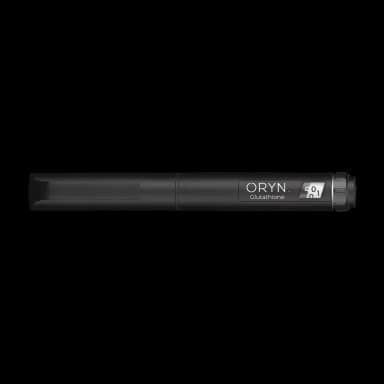
ORYN's NAD+ pen and NovaDose cartridge are designed for consistent daily delivery, enabling researchers to maintain the sustained elevation pattern optimal for sirtuin research.
FEATURED PRODUCT
NAD+ — Cellular Coenzyme Research
500 mg/vial · >99% purity · GMP
Cost and Accessibility: Research Budget Realities
Anti-ageing research protocols are inherently long-term. The effects of NAD+ supplementation on senescence markers, epigenetic clocks, telomere dynamics, and other ageing biomarkers require weeks to months of consistent intervention. This makes cost a critical practical factor.
IV NAD+ Drip Costs for Anti-Ageing Research: - Per session: EUR 250-600+ (compound + consumables + personnel + facility) - Typical anti-ageing protocol: 2 sessions per week for 8-12 weeks - Total: EUR 4,000-14,400 for a single-subject protocol - Multi-subject studies multiply this by the number of participants - Additional costs: scheduling coordination, subject travel, facility booking
SC Pen Costs for Anti-Ageing Research: - Per dose: a small fraction of IV session cost - Typical protocol: daily dosing for 8-16 weeks - Total: significantly lower than equivalent IV protocol - No personnel, facility, or scheduling costs - ORYN offers both standard NAD+ pen and NovaDose cartridge formats
Budget Impact on Study Design: The 5-10x cost difference between IV and pen delivery has direct implications for research quality: - With limited budget: IV protocol supports fewer subjects for shorter duration - With the same budget: pen protocol supports more subjects for longer duration - Statistical power increases with sample size -- pen protocols enable better-powered studies - Longer duration is critical for anti-ageing endpoints that take weeks-months to manifest
Combining NAD+ with Glutathione: Many anti-ageing researchers investigate the NAD+ + glutathione combination, targeting both cellular energy and antioxidant defence. With pen delivery, adding glutathione to a protocol is straightforward and cost-effective. With IV delivery, each additional compound adds significant session time and cost.
ORYN offers both NAD+ and glutathione as individual pre-filled pens, enabling researchers to implement combination protocols without the logistical burden of multi-compound IV infusions.
The Evidence Base: What Anti-Ageing Research Shows
The published evidence for NAD+ supplementation in the context of ageing has grown substantially. Here is a summary of key findings relevant to delivery method selection.
NAD+ Decline with Age: - Massudi et al. (2012): demonstrated age-dependent decline in human skin NAD+ levels - Camacho-Pereira et al. (2016): identified CD38 as a key driver of age-related NAD+ decline - Schultz and Sinclair (2016): comprehensive review of NAD+ in ageing biology
NAD+ Supplementation Outcomes: - Studies using NAD+ precursors (NMN, NR) have shown improved mitochondrial function, DNA repair capacity, and metabolic markers in aged animal models - Direct NAD+ supplementation has been investigated in fewer studies but with promising results in cellular models - The Interventions Testing Program (ITP) has evaluated NAD+-related compounds for lifespan effects in mice
Delivery Method Evidence: - IV NAD+ pharmacokinetics have been characterised in healthy volunteers, showing rapid elevation and clearance - SC delivery pharmacokinetics show sustained elevation patterns consistent with NAD+ repletion goals - No head-to-head randomised trial has directly compared IV vs SC NAD+ for anti-ageing endpoints - However, pharmacokinetic modelling strongly favours sustained delivery for chronic NAD+ repletion
Epigenetic Clock Research: - Emerging research has investigated whether NAD+ supplementation can influence epigenetic ageing markers - These studies require months of consistent supplementation, making daily pen delivery the practical choice - Preliminary data from several research groups suggests NAD+ repletion may slow epigenetic age acceleration, though findings are early-stage
Combination Research: - NAD+ + glutathione combinations have been investigated for synergistic antioxidant and cellular health effects - NAD+ + resveratrol (a sirtuin activator) has been studied for enhanced sirtuin activation - Multi-compound anti-ageing protocols are an active area of investigation
All referenced research is for informational purposes. ORYN makes no claims about the anti-ageing effects of its products.
Practical Protocol Design for Anti-Ageing Research
Based on the published literature and pharmacological principles, here is a practical framework for anti-ageing research protocols using NAD+ pen delivery.
Recommended Protocol Structure:
1. Baseline Assessment (Week 0): - Blood biomarkers: NAD+ levels (if measurable), inflammatory markers (CRP, IL-6), metabolic panel - Epigenetic age testing (e.g., Horvath clock, GrimAge) if budget allows - Subjective wellness questionnaires (standardised instruments) - Physical function assessments (grip strength, walking speed if relevant)
2. Intervention Period (Weeks 1-12): - Daily SC NAD+ administration via ORYN pen or NovaDose cartridge - Same time each day (morning recommended for anti-ageing protocols) - Optional: add glutathione pen for antioxidant co-intervention - Weekly diary entries - Interim blood draws at weeks 4 and 8
3. Final Assessment (Week 12): - Repeat all baseline measurements - Compare pre/post biomarkers
4. Extended Protocol (Optional, Weeks 13-24): - Continue intervention or add washout observation period - Additional timepoints at weeks 16, 20, and 24 - Anti-ageing effects may continue to develop over longer timeframes
NovaDose vs Standard Pen for Anti-Ageing Research: - Standard NAD+ Pen: fixed dose increments, ideal for standardised protocols where every subject receives the same dose - NovaDose NAD+ Cartridge: adjustable dosing, ideal for dose-finding studies or protocols requiring weight-based dosing
Combining with Other Compounds: - Add glutathione for comprehensive cellular health (antioxidant + energy) - Add GHK-Cu for tissue remodelling and gene expression modulation - Add CJC-1295/ipamorelin if GH-axis decline is a research variable
All ORYN products ship from the EU. UK next-day delivery, EU 3-5 days. Free shipping over GBP 130 (UK) or EUR 175 (EU). Products are for research purposes only.