The GLP-1 Revolution in Metabolic Research
GLP-1 receptor agonists have transformed metabolic research over the past decade. Originally developed for type 2 diabetes management, these peptides have demonstrated unprecedented efficacy in body weight reduction, leading to their use in weight management research.
Two compounds now dominate the field: semaglutide (a selective GLP-1 receptor agonist) and tirzepatide (a dual GIP/GLP-1 receptor agonist). Understanding the differences between these compounds is essential for researchers designing metabolic studies in 2026.
Both compounds share the core GLP-1 mechanism — slowing gastric emptying, enhancing insulin secretion, and reducing appetite through hypothalamic signalling — but their pharmacological profiles diverge in important ways.
Mechanism Comparison: Single vs Dual Receptor
Semaglutide — GLP-1 Receptor Agonist: - Activates GLP-1 receptors exclusively - 94% structural homology to native GLP-1 - C18 fatty acid chain for albumin binding (extended half-life) - Half-life: ~7 days (enables once-weekly dosing) - Primary effects: Appetite reduction, gastric emptying delay, insulin secretion, glucagon suppression
Tirzepatide — Dual GIP/GLP-1 Receptor Agonist: - Activates both GIP and GLP-1 receptors simultaneously - Based on the native GIP sequence with GLP-1 cross-reactivity engineered in - C20 fatty di-acid moiety for albumin binding - Half-life: ~5 days (once-weekly dosing) - Primary effects: All GLP-1 effects PLUS GIP-mediated improvements in lipid metabolism, beta-cell function, and adipose tissue biology
The GIP Advantage: GIP receptor activation adds several mechanisms absent from pure GLP-1 agonism: - Enhanced lipid buffering capacity in adipose tissue - Direct beta-cell trophic effects - Improved bone mineral density signalling - Complementary appetite regulation through distinct hypothalamic pathways
Clinical Efficacy: Weight Reduction Head-to-Head
The most direct comparison comes from the SURMOUNT and STEP clinical trial programmes:
Semaglutide (STEP Trials): - STEP-1: 14.9% mean body weight reduction at 2.4 mg dose (68 weeks) - STEP-2 (with diabetes): 9.6% weight reduction - STEP-3 (with intensive lifestyle): 16.0% reduction - STEP-5 (104 weeks): Sustained 15.2% reduction
Tirzepatide (SURMOUNT Trials): - SURMOUNT-1: 20.9% mean weight reduction at 15 mg dose (72 weeks) - SURMOUNT-2 (with diabetes): 14.7% weight reduction - SURMOUNT-3: 26.6% reduction from randomisation (intensive run-in phase) - SURMOUNT-4: Weight regain prevention demonstrated
Direct Comparison (SURPASS-2): - Tirzepatide 15 mg vs semaglutide 1 mg in type 2 diabetes - Tirzepatide: -12.4 kg vs semaglutide: -6.2 kg (nearly double) - HbA1c: Tirzepatide -2.46% vs semaglutide -1.86%
Across all available data, tirzepatide produces approximately 5-6 percentage points greater body weight reduction than semaglutide at maximum doses.
Beyond Weight: Metabolic Health Outcomes
Weight reduction alone does not capture the full metabolic picture. Both compounds improve cardiometabolic markers, but with different profiles:
Glycaemic Control: | Metric | Semaglutide 2.4 mg | Tirzepatide 15 mg | |--------|--------------------|-----------------| | HbA1c reduction | -1.5 to -1.8% | -2.1 to -2.6% | | Fasting glucose | Significant reduction | Greater reduction | | Insulin sensitivity | Improved | Greater improvement |
Lipid Profile: | Metric | Semaglutide | Tirzepatide | |--------|-------------|-------------| | Triglycerides | -12 to -18% | -19 to -25% | | Total cholesterol | Moderate reduction | Greater reduction | | LDL-C | Variable | Consistent reduction |
Blood Pressure: - Semaglutide: -3 to -5 mmHg systolic - Tirzepatide: -6 to -9 mmHg systolic
Body Composition: - Both compounds produce predominantly fat mass loss - Tirzepatide shows a trend toward better preservation of lean mass as a proportion of total weight lost - Visceral fat reduction is significant with both, but greater with tirzepatide
The dual-receptor mechanism of tirzepatide appears to provide broader metabolic improvements beyond what GLP-1 agonism alone achieves.
Tolerability and Safety Comparison
The safety profiles are broadly similar, with GI effects being the most common consideration:
Gastrointestinal Tolerability: - Nausea: Semaglutide ~44%, Tirzepatide ~29-31% (tirzepatide may be better tolerated) - Diarrhoea: Similar rates (~17-21%) for both - Vomiting: Semaglutide ~24%, Tirzepatide ~12-15% - GI effects are dose-dependent and typically transient (most common during dose escalation)
Discontinuation Rates Due to Adverse Events: - Semaglutide: 6-7% - Tirzepatide: 4-7%
Shared Precautions: - Thyroid C-cell tumour risk (class warning based on rodent data) - Pancreatitis monitoring - Gallbladder events - Potential lean mass loss (important for research protocols to monitor)
Notable Differences: - Injection site reactions may be more common with tirzepatide - Semaglutide has longer post-marketing surveillance data - Tirzepatide has more limited long-term safety data (newer compound)
Both compounds require gradual dose escalation to mitigate GI effects — protocols should factor in 16-20 weeks to reach maximum dose.
Choosing Between Tirzepatide and Semaglutide for Research
Choose tirzepatide if your research focuses on: - Maximum weight reduction outcomes - Dual-receptor pharmacology (GIP + GLP-1 interactions) - Comprehensive metabolic improvement (glycaemia, lipids, blood pressure) - Body composition optimisation - Novel mechanism investigation
Consider semaglutide if your research focuses on: - Established GLP-1 receptor biology - Longer track record of published data - Oral formulation comparison studies - Specific cardiovascular outcome data (SELECT trial) - Budget-constrained protocols
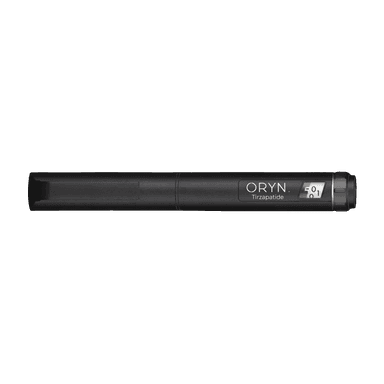
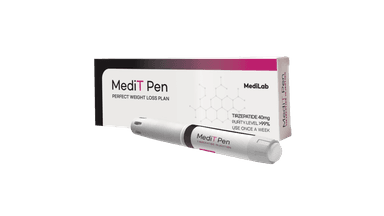
ORYN's Tirzepatide Options: - Tirzepatide Pen (€169): Standard pen with adjustable dosing for escalation protocols - MediT Pen (€249): 40 mg prefilled weekly pen for established dose protocols - Both available in the Metabolic Transformation Stack (12% off) during the Peak Performance campaign
For detailed product information and campaign bundles, visit the /peak-performance landing page.
All ORYN products are sold for research purposes only.