Glutathione: The Shield Against Aging
Oxidative damage is the single most documented cause of cellular aging. Every day, cells generate reactive oxygen species (ROS) as byproducts of normal metabolism. Glutathione is the body's primary defence:
Direct Antioxidant Action: Glutathione directly neutralises superoxide, hydroxyl radicals, and peroxides -- the most damaging ROS species. No other endogenous compound matches its breadth of antioxidant activity.
Antioxidant Recycling: Glutathione regenerates oxidised vitamins C and E, maintaining the entire antioxidant network. When glutathione is depleted, the cascade fails.
Protein Protection: Glutathionylation protects protein thiol groups from irreversible oxidative damage -- preserving enzyme function and structural protein integrity (including collagen and elastin).
Detoxification: Age-related toxin accumulation accelerates aging. Glutathione's Phase II conjugation reactions are the primary mechanism for clearing heavy metals, environmental toxins, and metabolic waste.
Age-Related Decline: Glutathione levels decrease by 10-15% per decade after age 20. This decline directly correlates with increased oxidative damage, impaired immunity, and visible aging.
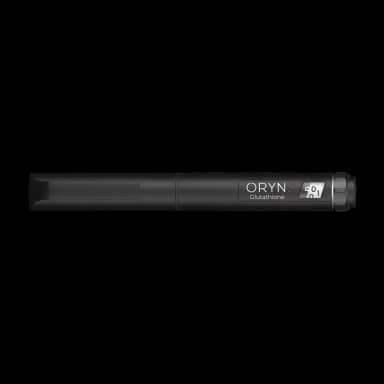
ORYN Glutathione Pen: 6 g, 30-day supply, EUR 99. The most affordable peptide in the ORYN range, with pen delivery ensuring full bioavailability.
NAD+: The Engine of Cellular Renewal
While Glutathione prevents damage, NAD+ powers the machinery that repairs it and maintains cellular function:
Mitochondrial Restoration: Aging is fundamentally an energy crisis. Mitochondria produce less ATP as NAD+ declines, leading to cellular dysfunction across every organ system. Restoring NAD+ levels directly restores energy production capacity.
Sirtuin-Dependent Repair: Sirtuins (SIRT1-7) are arguably the most important longevity enzymes identified to date. They regulate DNA repair, metabolic flexibility, inflammation, and stress resistance. All seven sirtuins require NAD+ as their substrate -- without NAD+, they are inactive.
DNA Damage Repair: NAD+ is consumed by PARP enzymes during DNA repair. As accumulated DNA damage increases with age, PARP activity drains NAD+ reserves faster than they can be replenished -- creating a deficit that impairs both energy production and repair capacity.
Epigenetic Maintenance: NAD+-dependent sirtuins maintain epigenetic patterns (DNA methylation, histone modifications) that define cell identity. Epigenetic drift is a hallmark of aging that NAD+ repletion may slow.
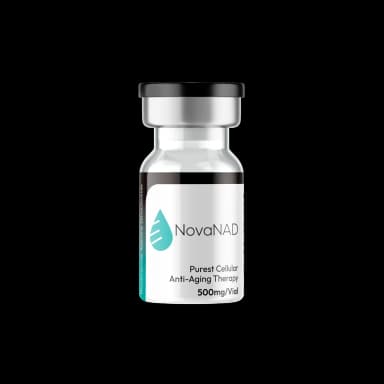
ORYN NAD+ Pen: 250 mg, 30-day supply, EUR 189. GMP manufactured with COA included.
The Dual-Pillar Anti-Aging Protocol
The strongest case for combining Glutathione and NAD+ comes from understanding the two fundamental pillars of cellular aging:
Pillar 1 -- Damage Accumulation (Glutathione) Oxidative damage to DNA, proteins, lipids, and organelles accumulates over time. Glutathione is the primary defence against this accumulation. Without adequate Glutathione, damage accrues faster than repair mechanisms can address it.
Pillar 2 -- Repair Capacity Decline (NAD+) The cellular machinery that repairs damage -- mitochondria, sirtuins, PARP enzymes -- all depend on NAD+. As NAD+ declines, repair capacity fails even if damage rates remain constant.
Synergy Logic: Glutathione reduces the rate of new damage. NAD+ restores the capacity to repair existing damage. Together, they shift the damage-repair balance towards net repair -- the definition of biological rejuvenation.
Protocol Design: Both can be administered daily concurrently. Some researchers administer NAD+ in the morning (aligning with daytime metabolic demands) and Glutathione in the evening (supporting overnight detoxification processes).
Combined Cost: EUR 99 + EUR 189 = EUR 288 for two 30-day pens. This represents the most fundamental anti-aging research stack available, addressing both damage prevention and repair restoration.

