New to peptide research? ORYN pens include everything you need to begin. No extra supplies, no reconstitution, no complicated setup. This guide covers exactly what arrives and how to get started.
6 min read · Updated 2026-04-10
Why Getting Started with Peptides Used to Be Complicated
Traditionally, starting a peptide research protocol required assembling a collection of supplies before you could administer a single dose:
- Lyophilised peptide vial - Bacteriostatic water (BAC water) for reconstitution - Insulin syringes (specific gauge and volume) - Reconstitution needles (larger gauge for mixing) - Alcohol swabs for aseptic technique - Sharps disposal container - Calculator for concentration and dosing math - Refrigerated storage for reconstituted solution
For a new researcher, sourcing these components from different suppliers, ensuring compatibility, and learning the reconstitution process added days or weeks of preparation before any research could begin. Errors during reconstitution could waste expensive peptide material, and improper technique could introduce contamination.
This barrier to entry is one of the reasons peptide pens have transformed the research landscape.
What Comes with Every ORYN Peptide Pen
ORYN peptide pens are designed to be genuinely complete out of the box. Here is what you receive with every order:
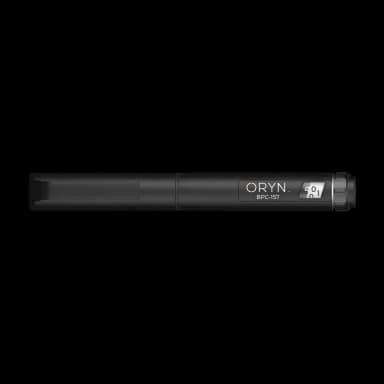
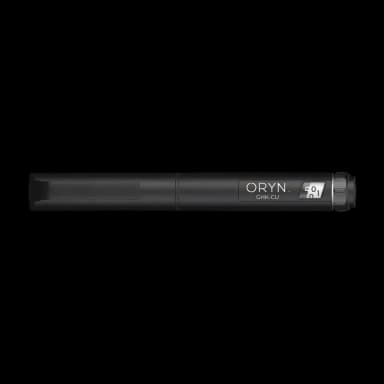
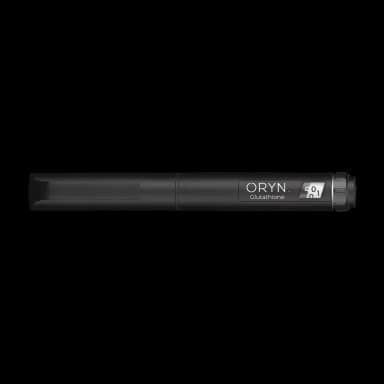
The Peptide Pen: A pre-filled, factory-calibrated pen device containing your chosen peptide in a ready-to-use solution. No reconstitution, no mixing, no concentration calculations. The peptide is already in solution at the correct concentration and pH for immediate use.
Disposable Pen Needles: Sterile, single-use pen needles are included with every pen. These are the same type used with insulin pens, fine-gauge and designed for subcutaneous delivery. No need to source syringes separately.
Certificate of Analysis (COA): Batch-specific documentation showing HPLC purity verification (>99%) and mass spectrometry confirmation of molecular identity.
Storage and Usage Instructions: Clear guidance on maintaining proper storage temperature (2-8 degrees Celsius), pen operation, needle attachment, and dose dialling.
Cold-Chain Packaging: Insulated thermal packaging with gel ice packs to maintain safe temperatures during delivery.
That is the complete list. No additional purchases required.
FEATURED PRODUCT
BPC-157 — Regeneration Research Peptide
10 mg · >99% purity · GMP
Setting Up Your First Protocol
With an ORYN pen in hand, setting up your first research protocol takes minutes rather than days:
Step 1: Receive and store. When your ORYN pen arrives, place it in the refrigerator at 2-8 degrees Celsius. Pens have a 24-month shelf life under proper storage.
Step 2: Plan your protocol. Decide on your dosing schedule based on published research. BPC-157 protocols typically involve daily administration, while NAD+ protocols vary from daily to every other day.
Step 3: Prepare for first use. Remove the pen from the refrigerator 15-20 minutes before use to reach room temperature.
Step 4: Attach a pen needle. Remove the cap and screw on a fresh disposable pen needle. Each needle is used once and then disposed of safely.
Step 5: Dial your dose and administer. Use the click-dial mechanism to set your desired dose. Each click corresponds to a precise volume increment. Administer subcutaneously per your protocol.
Step 6: Dispose and store. Remove and safely dispose of the used needle. Replace the pen cap and return to the refrigerator.
Recommended First Peptide Pens for New Researchers
If you are new to peptide research, certain compounds have larger published literature bases and more established protocols, making them better starting points:
BPC-157 (Body Protection Compound-157): The most widely studied research peptide with over 100 published papers. Well-established dosing protocols and a broad research profile spanning tissue repair, gut health, and neuroprotection. This is the single most popular first peptide for new researchers.
GHK-Cu (Copper Peptide): A naturally occurring human peptide with an extensive research background dating to the 1970s. Studies cover wound healing, collagen synthesis, gene expression modulation, and skin biology. The natural origin and established safety profile make it an accessible entry point.
Glutathione: The body's primary endogenous antioxidant. Research protocols are well-documented and the compound's role in oxidative stress management is thoroughly understood. A straightforward first peptide for researchers interested in antioxidant pathways.
NAD+ (Nicotinamide Adenine Dinucleotide): Rapidly growing research field with strong published evidence on cellular energy metabolism and longevity pathways. Multiple dosing approaches have been studied, giving new researchers clear protocol guidance.
All four are available from ORYN as pre-filled peptide pens with next-day UK delivery and 3-5 day EU delivery.
Common Beginner Questions Answered
New researchers typically have practical questions not always addressed in published literature:
Do I need to buy anything else? No. ORYN pens include everything needed. No BAC water, no syringes, no additional equipment.
How do I know what dose to use? Dosing depends on your research compound and protocol. Published literature provides dosing ranges. ORYN does not provide medical or dosing advice, as all products are for research purposes only.
How should I store my pen between uses? Always store at 2-8 degrees Celsius. Do not freeze. Keep the cap on to protect from light.
How long will one pen last? Each pen contains approximately a 30-day supply at standard research dosing. The exact duration depends on your protocol and dose settings.
Can I travel with peptide pens? Pens are compact and portable, similar in size to an insulin pen. Transport in a cool bag and return to refrigerated storage promptly.
What is the shelf life? 24 months from manufacture at 2-8 degrees Celsius. Check the expiration date on your pen.
All ORYN products are for research purposes only.