Autoinjectors deliver a fixed dose in one click. Peptide pens deliver a variable dose across many clicks. For research use, only one of those is the right tool — and it's not the one you might expect.
9 min read · Updated 2026-04-14
What an autoinjector is
An autoinjector is a pre-loaded, single-use injection device that delivers a fixed dose of a pre-filled drug in one trigger press. The user uncaps the device, presses it against the injection site, and activates a spring-loaded mechanism that drives the plunger and delivers the full payload in 2–10 seconds. Once fired, the device is empty and disposed of — you can't reuse it or change the dose.
Autoinjectors are the standard delivery format for commercial biologics intended for patient self-administration: EpiPens (epinephrine), HumiraPen (adalimumab), and the various commercial tirzepatide and semaglutide pens (Mounjaro, Zepbound, Ozempic, Wegovy) that have dominated the obesity and diabetes markets since 2022. They're designed around two constraints: the user has no pharmaceutical training, and the dose is fixed by the prescription.
What a peptide pen is
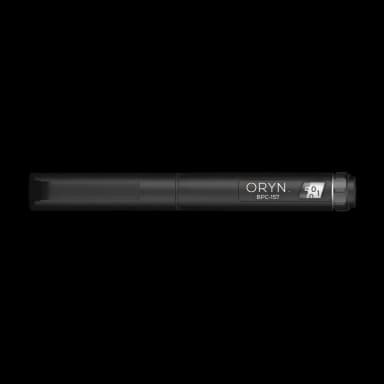
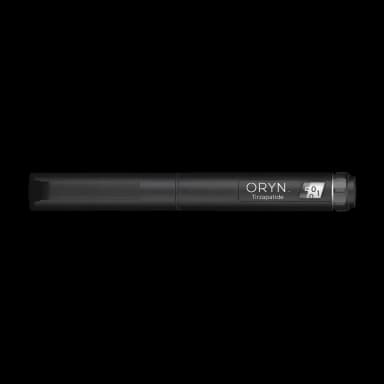
A peptide pen is a reusable, dial-a-dose injection device with a replaceable needle and a cartridge that holds many research doses. Unlike an autoinjector, the user sets the dose manually with a dose dial, attaches a fresh pen needle for each injection, and uses the same pen across multiple research sessions until the cartridge is empty (typically 30 days in use).
ORYN peptide pens use the same sealed-cartridge, dial-a-dose geometry as commercial diabetic-care insulin pens (NovoPen, mylife, Autopen) — but the cartridge is filled with research peptides under ORYN's own GMP + ISO 7 cleanroom manufacturing rather than with a commercial drug under a pharmaceutical company's QA. The device is designed around two constraints different from an autoinjector's: the user is a researcher (not a patient), and the dose is set by the research protocol (not by a fixed prescription).
FEATURED PRODUCT
BPC-157 — Regeneration Research Peptide
10 mg · >99% purity · GMP
Why autoinjectors don't work for research
The fundamental mismatch between autoinjectors and research use is dose flexibility. Research protocols almost always require the researcher to titrate the dose across sessions — starting at a lower click count and increasing, or adjusting based on observed effect, or varying the dose to establish a dose-response curve. An autoinjector's single fixed dose makes every one of those experimental designs impossible without buying a different autoinjector for every dose level, which is economically infeasible.
The second mismatch is in-use duration. Autoinjectors are designed for a single injection and discarded. Research protocols typically run 15–60 days with one dose every 1–3 days, which means a researcher using autoinjectors would need 10–20 devices per protocol. Peptide pens last 30 days in use on a single cartridge and can be returned to the fridge between sessions — a single pen covers most research protocols end-to-end.
The third mismatch is cost. Commercial autoinjectors retail at €200–600 each (because the pharmaceutical margin is baked in). A peptide pen at €99–299 covers a full 30-day research protocol, so the per-dose cost is 5–10× lower. And because the pen is reusable, needle costs are €0.10 per injection rather than being baked into a per-device price.
When autoinjectors do make sense
Autoinjectors are the right tool for two specific contexts that don't apply to research use: patient self-administration and emergency medicine.
Patient self-administration: If a patient has been prescribed a commercial drug (insulin, epinephrine, adalimumab, tirzepatide), they need a device they can use without medical training in an emergency or routine setting. The fixed-dose, one-click mechanism is the safest UX for a non-specialist user. This is why the autoinjector has dominated the commercial biologic market.
Emergency medicine: Epinephrine autoinjectors (EpiPens) are the canonical use case — a patient in anaphylactic shock needs to deliver a fixed dose of epinephrine in under 10 seconds without any decision-making under stress. A dial-a-dose pen would be actively dangerous in that context because it requires the user to think.
Neither of these contexts applies to peptide research. Researchers are trained, protocols are planned in advance, and dose flexibility is the point of the experiment — not a liability.
The comparison table
| Feature | Peptide Pen | Autoinjector | |---|---|---| | Dose type | Variable, dialled by researcher | Fixed, pre-loaded | | Uses per device | 30 days / ~30 doses | 1 injection | | Cost per dose | €4–10 (pen + needle amortised) | €200–600 (full device) | | Needle | Replaceable, single-use | Built in, single-use | | Dose accuracy | <2% variance per click | <1% (fixed dose) | | Flexibility | Full dose-response titration | Zero — one fixed dose | | Learning curve | 15 min orientation | Zero (no learning needed) | | Trained user required | Yes (researcher) | No (patient) | | Research use | Optimal | Impractical | | Patient commercial use | Not designed for this | Optimal | | Storage | Sealed cartridge, 30 days in-use | Sealed device, use once | | Documentation | CoA + batch ID per pen | Pharmaceutical lot tracking |
For research, the pen format wins on every metric that matters: flexibility, cost, usability by a trained researcher. For patient self-administration of a commercial biologic, the autoinjector wins on safety under stress and ease of use by someone with no pharmaceutical training. These are two different tools for two different jobs.
So which should you pick?
If you're a researcher running a protocol that needs dose flexibility across multiple sessions, the peptide pen is the only viable choice — autoinjectors simply don't offer the dose-dial functionality you need.
If you're a patient with a prescription for a commercial biologic (insulin, tirzepatide, semaglutide, adalimumab, epinephrine), your doctor will prescribe the autoinjector format for you — you don't need to compare devices. ORYN does not sell products for patient self-administration and provides no medical guidance.
The interesting middle case is the researcher who has been using commercial autoinjectors for protocol work (typically because they're the only format that was available for a specific compound) and is now evaluating the switch to pen format. For those researchers: yes, the switch is worth it. You'll save 80–90% on per-dose cost, gain full dose-titration capability, and get better documentation for audit and publication. The one non-trivial adjustment is learning to manually prime and dial the pen, which takes about 15 minutes of orientation.