A comprehensive overview of the semaglutide biosimilar landscape in 2026. Examining patent status, emerging GLP-1 receptor agonist alternatives, the rise of tirzepatide and dual-agonist compounds, and what this means for the research peptide market.
8 min read · Updated 2026-04-10
The Semaglutide Patent Landscape in 2026
Semaglutide, marketed by Novo Nordisk as Ozempic (injection) and Wegovy (higher-dose injection for weight management), has become one of the most commercially significant pharmaceutical compounds of the decade. Understanding its patent landscape is essential for researchers and industry observers tracking biosimilar development.
Core Patent Status: Novo Nordisk holds a complex web of patents protecting semaglutide, including: - Composition of matter patents covering the semaglutide molecule itself - Formulation patents covering specific delivery systems and excipient combinations - Method-of-use patents covering specific indications and dosing regimens - Device patents covering the injection pen delivery systems
The earliest core semaglutide patents are projected to begin expiring in the late 2020s to early 2030s timeframe, though the exact dates are subject to patent term adjustments, extensions, and ongoing litigation.
Patent Challenges: Multiple pharmaceutical companies have filed ANDA (Abbreviated New Drug Application) challenges and biosimilar applications: - Several Indian manufacturers have announced biosimilar semaglutide development programs - Chinese pharmaceutical companies are advancing GLP-1 RA biosimilar candidates - EU-based generics manufacturers have disclosed biosimilar programs
Compounding Pharmacy Landscape: In some markets, compounding pharmacies have produced semaglutide preparations under regulatory frameworks that permit compounding of FDA-approved molecules. This has been a controversial area, with Novo Nordisk actively pursuing legal action against unauthorised compounders.
For researchers, the patent landscape means that legitimate biosimilar semaglutide is not yet widely available. However, alternative GLP-1 receptor agonists -- including compounds with distinct intellectual property -- offer viable research options. ORYN products are distinct compounds, not biosimilars of semaglutide.
Alternative GLP-1 Receptor Agonist Compounds
The GLP-1 receptor agonist class extends well beyond semaglutide. Researchers have access to multiple distinct compounds with varying pharmacological profiles.
Single-Agonist GLP-1 RAs: - Liraglutide: An earlier GLP-1 RA with shorter half-life (approximately 13 hours vs semaglutide's ~7 days). Well-characterised in published research with a large body of clinical data. - Dulaglutide: Weekly dosing GLP-1 RA with extensive clinical trial data. Available as Trulicity. - Exenatide: Synthetic version of exendin-4. Available in both twice-daily and once-weekly formulations.
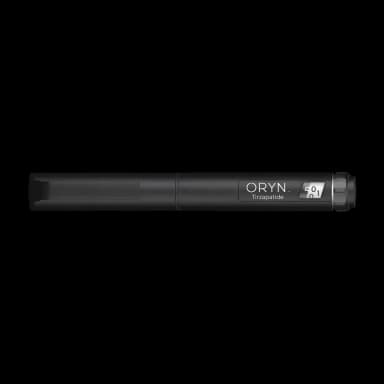
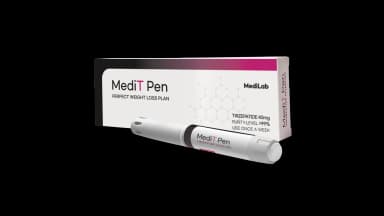
Dual-Agonist Compounds: - Tirzepatide (GLP-1 + GIP): The most significant alternative to semaglutide. Tirzepatide simultaneously activates both GLP-1 and GIP receptors, producing a dual-agonist effect that has shown superior outcomes to semaglutide in head-to-head clinical trials (SURMOUNT and SURPASS programs). Available from ORYN as both Peptide Pen and Medit Pen for research.
Triple-Agonist Compounds: - Retatrutide (GLP-1 + GIP + Glucagon): The newest class, activating three receptor pathways. Phase 2 data published in NEJM showed impressive results. Still investigational.
Oral GLP-1 RAs: - Oral semaglutide (Rybelsus): Unique oral formulation using SNAC absorption enhancer - Oral GLP-1 candidates: Multiple companies are developing next-generation oral GLP-1 RAs
For researchers who need GLP-1-axis research compounds, tirzepatide represents the most compelling alternative to semaglutide in 2026. Its dual-agonist mechanism is pharmacologically distinct (not a biosimilar), has its own robust clinical trial database, and is available in research-grade format from ORYN.
FEATURED PRODUCT
Tirzepatide — Dual Incretin Research Peptide
20 mg · >99% purity · GMP
Tirzepatide vs Semaglutide: Head-to-Head Data
For researchers evaluating alternatives to semaglutide, tirzepatide deserves particular attention due to the availability of direct head-to-head clinical trial data.
SURPASS-2 Trial (Frias et al., NEJM 2021): This landmark trial directly compared tirzepatide to semaglutide 1mg in subjects with type 2 diabetes: - Tirzepatide 5mg, 10mg, and 15mg all demonstrated superior HbA1c reduction compared to semaglutide 1mg - Body weight reduction was significantly greater with tirzepatide at all doses: tirzepatide 15mg achieved approximately 12.4 kg vs semaglutide 1mg at approximately 6.2 kg - The dual GLP-1/GIP mechanism of tirzepatide appears to provide additive metabolic effects
SURMOUNT Program: The SURMOUNT trials investigated tirzepatide specifically for weight management: - SURMOUNT-1 showed up to 22.5% body weight reduction with tirzepatide 15mg over 72 weeks - This exceeded published semaglutide weight management data (approximately 15% with Wegovy 2.4mg)
Mechanistic Differences: - Semaglutide: selective GLP-1 receptor agonist only - Tirzepatide: simultaneous GLP-1 + GIP receptor activation - The GIP component of tirzepatide adds a second incretin pathway, enhancing both glucose homeostasis and energy metabolism through distinct cellular mechanisms - Research suggests GIP receptor activation in adipose tissue may contribute to tirzepatide's enhanced weight effects
Implications for Researchers: Tirzepatide is not a biosimilar of semaglutide -- it is a pharmacologically distinct compound with a different mechanism. For researchers interested in GLP-1-axis biology, tirzepatide provides access to the dual-agonist space with a robust clinical evidence base.
ORYN offers tirzepatide in two formats: - Tirzepatide Peptide Pen: Standard pre-filled format - Medit Tirzepatide: Medit pen format for flexible dosing Both are >99% purity, GMP certified, with COA included. For research purposes only.
The Future of GLP-1 Research Compounds
The GLP-1 receptor agonist field is evolving rapidly. Researchers should be aware of several trends shaping the landscape in 2026 and beyond.
Trend 1: Multi-Agonism The progression from single-agonist (semaglutide) to dual-agonist (tirzepatide) to triple-agonist (retatrutide) compounds suggests that multi-receptor activation is the future of incretin-based research. Each additional receptor pathway adds complexity but also potentially enhanced efficacy.
Trend 2: Oral Formulations The success of oral semaglutide has catalysed intensive research into oral delivery of other GLP-1 compounds. Next-generation oral formulations may offer improved bioavailability over current approaches.
Trend 3: Non-Peptide GLP-1 Agonists Small molecule (non-peptide) GLP-1 receptor agonists are in development. These could offer oral bioavailability without the SNAC technology required for peptide oral delivery, potentially reducing manufacturing costs.
Trend 4: Combination Therapies Research is increasingly exploring combinations of GLP-1 RAs with other compound classes: - GLP-1 + amylin analogues (cagrilintide + semaglutide = CagriSema) - GLP-1 + glucagon receptor agonists - GLP-1 + FGF21 analogues
Trend 5: Biosimilar Competition As semaglutide patents expire, biosimilar competition will drive down costs. However, this is likely a late-2020s to 2030s event. In the meantime, distinct compounds like tirzepatide offer alternative research options.
What This Means for Researchers: The metabolic peptide research field is expanding rapidly, with new compounds and combinations entering investigation regularly. For current research, tirzepatide represents the most well-characterised alternative to semaglutide, with superior head-to-head data and a distinct dual-agonist mechanism.
ORYN is committed to providing the latest research-grade metabolic peptides as they become available. Visit orynxpeptides.com for current product offerings and updates.
Choosing a Research-Grade GLP-1 Compound
For researchers seeking GLP-1-axis compounds in 2026, the decision framework depends on the specific research question, budget, and availability.
Choose Semaglutide Research-Grade When: - Replicating published protocols that specifically used semaglutide - Studying selective GLP-1 receptor activation without GIP involvement - Comparing results directly to the existing semaglutide clinical trial database - Note: availability of research-grade semaglutide varies by supplier and jurisdiction
Choose Tirzepatide (ORYN) When: - Investigating dual GLP-1/GIP receptor biology - Seeking potentially enhanced metabolic effects (based on head-to-head data) - Need a reliable, EU-based supply of research-grade compound - Want pre-filled pen format for dosing precision and convenience - Running protocols where cost-effectiveness matters - Studying the emerging dual-agonist mechanism with its own robust clinical database
Quality Checklist for Any GLP-1 Research Compound: - Certificate of Analysis with HPLC purity >98% (ideally >99%) - Mass spectrometry confirmation of molecular identity - Endotoxin testing results - GMP-certified manufacturing facility - Clear research-use-only labelling - Proper storage instructions (2-8 degrees Celsius) - Traceable lot numbers
ORYN GLP-1 Product Range: - Tirzepatide Peptide Pen: pre-filled, factory-calibrated, >99% purity - Medit Tirzepatide: flexible-dose format for variable protocols - Both ship from EU with next-day UK delivery and 3-5 day EU delivery - COA included with every order - GMP certified manufacturing
For most researchers entering the GLP-1/incretin field in 2026, tirzepatide offers the best combination of pharmacological interest (dual-agonist mechanism), clinical evidence quality (SURPASS/SURMOUNT programs), and practical availability (ORYN pen format with EU shipping).
All ORYN products are sold for research purposes only.