NAD+ Pen vs Glutathione Pen
Cellular energy vs master antioxidant — two very different research tools.
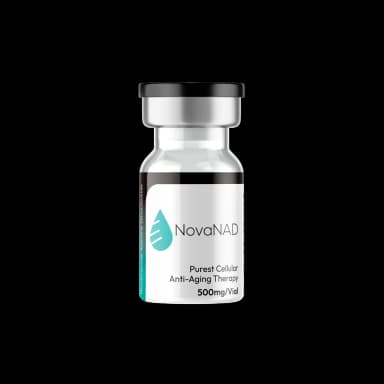
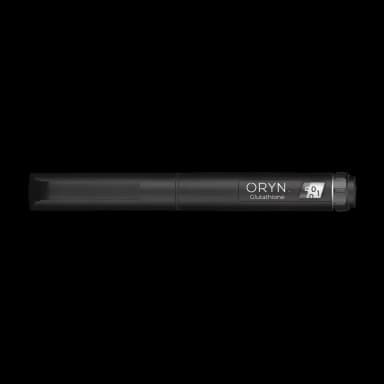
NAD+ and Glutathione are both foundational cellular research compounds, but they sit in very different parts of the biology. NAD+ (Nicotinamide Adenine Dinucleotide) is the central electron-transport coenzyme involved in nearly every energy-producing reaction in the cell. Glutathione is the primary intracellular antioxidant, responsible for neutralising reactive oxygen species and supporting phase-II detoxification. Researchers choosing between these two are usually deciding which part of cellular metabolism is the focus of the research — not picking between two alternatives for the same goal.
Scientific background
NAD+ is a dinucleotide made of nicotinamide (vitamin B3) and adenine linked by two phosphate groups. Its role in cellular energy is as the primary electron acceptor in the citric acid cycle, converting food-derived electrons into ATP via oxidative phosphorylation. Research investigates NAD+ supplementation's effect on mitochondrial function, sirtuin activity, DNA repair (via PARP1), and cellular senescence — the core 'longevity research' pathway. Glutathione is a tripeptide (glutamate-cysteine-glycine) that exists in reduced (GSH) and oxidised (GSSG) forms. It neutralises hydrogen peroxide and lipid peroxides via glutathione peroxidase, regenerates other antioxidants like vitamin C and E, and supports conjugation-based phase-II detoxification of xenobiotics in the liver. Research investigates its role in oxidative stress research, hepatoprotection, and skin/melanin research.
When to pick which
BEST FOR NAD+
NAD+ is the starting point for cellular energy research, mitochondrial function studies, sirtuin-related longevity research, and any protocol focused on the metabolic arm of ageing biology. It's ORYN's most-ordered pen for longevity and biohacking research contexts.
BEST FOR GLUTATHIONE
Glutathione is the starting point for oxidative stress research, liver/hepatoprotection studies, skin and melanin research, and detoxification pathway investigation. It's also a common addition to protocols involving other peptides because it buffers oxidative stress from the research compounds themselves.
STACKING NOTE
NAD+ and Glutathione are often included in the same broader research protocol even though they target different pathways — NAD+ for cellular energy, Glutathione for oxidative balance. Researchers investigating comprehensive 'cellular health' protocols routinely use both. The pen format makes this easy because both ORYN pens fit the same dial-a-dose workflow.
Full comparison matrix
| CATEGORY | NAD+ | GLUTATHIONE |
|---|---|---|
| Molecular class | Dinucleotide coenzyme | Tripeptide antioxidant |
| Primary role | Electron acceptor, energy production | Antioxidant, oxidative balance |
| Research area | Mitochondria, sirtuins, longevity, DNA repair | Oxidative stress, liver, skin, detoxification |
| Cartridge size | 100 mg | 200 mg |
| Typical click increment | 5 mg per click | 5 mg per click |
| Dose accuracy | <2% variance per click | <2% variance per click |
| Price | €189 EU · £159 UK · $199 US · R$949 BR | €99 EU · £85 UK · $109 US · R$499 BR |
| Research literature volume | Extensive (longevity + cellular energy) | Extensive (oxidative stress classics) |
VERDICT
These two pens are research tools for different biological questions — choose based on the research hypothesis, not the pen. For longevity, mitochondrial, and sirtuin research, NAD+ is the primary tool. For oxidative balance, hepatoprotection, and detoxification research, Glutathione is the primary tool. If the research protocol covers both 'cellular energy' and 'oxidative balance' (common in comprehensive longevity research), order both — the pen format makes running both together straightforward.
FAQ
Are NAD+ and Glutathione used together?
Yes in comprehensive cellular-health research protocols — NAD+ for the energy arm and Glutathione for the oxidative-balance arm. They target different pathways so they don't compete for the same mechanism. The pen format makes concurrent administration straightforward.
Why is NAD+ more expensive than Glutathione?
NAD+ has a more complex synthesis pathway, larger molecular size, and higher potency per mg in research contexts, which drives the cost difference. The NovaDose NAD+ system (our premium 150 mg NAD+ pen) is even more expensive at €299 and is designed for higher-dose longevity research protocols.
Does NAD+ degrade faster than Glutathione in solution?
Both peptides are formulated for 30-day in-use stability in ORYN's sealed glass cartridge format. The sealed-cartridge design blocks oxygen ingress that would otherwise oxidise both molecules. Both pens hold <5% degradation over the 30-day in-use window per our in-house HPLC stability testing.
Which one is more popular in longevity research?
NAD+ is typically the starting point for longevity and biohacking research because it targets the mitochondrial and sirtuin pathways that dominate current ageing literature. Glutathione is a secondary addition for the oxidative stress arm. Most comprehensive longevity protocols use both.
Is the NovaDose NAD+ different from the standard NAD+ Pen?
Yes. NovaDose NAD+ is a premium 150 mg cartridge with a larger click increment (10 mg per click) designed for higher-dose protocols. The standard NAD+ Pen is 100 mg with 5 mg clicks, which is more appropriate for lower-dose research. Choose based on the specific protocol dose range.
Order both and compare in your own lab
Every ORYN pen ships with a Certificate of Analysis, a 30-day money-back guarantee, and the pen-format mechanical accuracy (<2% variance per click) that makes direct comparison possible.