Why BPC-157 and TB-500 Are Synergistic
True synergy means the combination produces effects greater than the sum of its parts. BPC-157 and TB-500 achieve this because they target sequential steps in the same healing cascade:
Step 1: Inflammation Control (TB-500 leads) TB-500's immune modulation reduces excessive inflammation that would otherwise impede healing. BPC-157 contributes by modulating inflammatory cytokines. Together, they establish an optimal inflammatory environment -- enough to signal damage, not so much as to prevent repair.
Step 2: Vascularisation (Both contribute) BPC-157 upregulates VEGF (vascular endothelial growth factor) to stimulate new blood vessel formation. TB-500 independently promotes angiogenesis through actin-mediated endothelial cell migration. The dual angiogenic stimulus ensures damaged tissue receives maximal blood supply.
Step 3: Cell Migration (TB-500 leads) TB-500's unique ability to regulate actin allows repair cells -- fibroblasts, immune cells, stem cells -- to physically migrate to the damage site. Without this, even strong repair signals go unanswered.
Step 4: Tissue Repair (BPC-157 leads) BPC-157's growth factor upregulation (EGF, FGF, VEGF) drives actual tissue repair -- new collagen deposition, cell proliferation, and tissue remodelling. The repair cells mobilised by TB-500 now have strong growth factor signals to act upon.
Stacking Protocol Design
Researchers studying the BPC-157 + TB-500 combination typically follow these protocol principles:
Concurrent Administration: Both peptides are administered daily throughout the protocol. There is no need to alternate or cycle -- they work through independent receptors and pathways.
Timing: Most protocols administer both peptides at the same time of day. Some researchers split to morning (TB-500 for daytime inflammation control) and evening (BPC-157 to align with nocturnal repair processes), though evidence for timing advantage is limited.
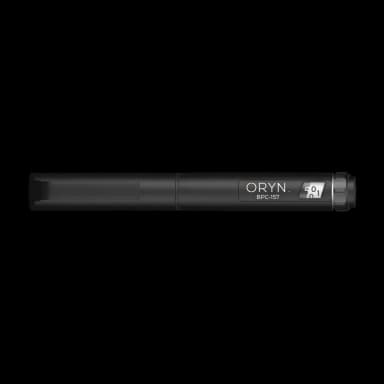
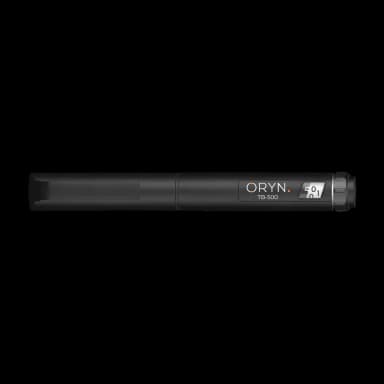
Duration: Standard stacking protocols run 4-8 weeks. Each ORYN pen provides a 30-day supply, so two pens per peptide cover an 8-week protocol.
No Loading Phase Required: Both peptides reach effective tissue concentrations quickly. Benefits are typically observable within the first 1-2 weeks of concurrent administration.
ORYN Pen Systems: Both BPC-157 (10 mg) and TB-500 (15 mg) are available as pre-mixed pens at EUR 119 each. No reconstitution, no dose calculation -- consistent delivery every administration.
Research Applications for the Stack
The BPC-157 + TB-500 combination has been studied across a broad range of recovery applications:
Musculoskeletal Recovery: Tendon, ligament, and muscle injury models show faster healing with the combination than either peptide alone. BPC-157 drives collagen deposition while TB-500 ensures adequate blood supply and cell migration.
Post-Surgical Healing: The combination addresses both internal tissue repair (BPC-157) and wound closure with reduced scarring (TB-500). Particularly relevant for surgical incision models.
Joint Health: BPC-157's connective tissue repair combined with TB-500's anti-inflammatory and joint mobility effects make this a popular protocol for joint-focused research.
Gastrointestinal Models: While BPC-157 is the primary peptide for gut research, TB-500's anti-inflammatory properties provide additional support in inflammatory bowel models.
Cardiovascular: TB-500 has strong evidence for cardiac tissue repair, while BPC-157 provides cardioprotective properties. Together they offer comprehensive cardiovascular recovery support.
Expected Outcomes and Timelines
Based on the research literature, here is what researchers typically report when studying the BPC-157 + TB-500 stack:
Week 1-2: Initial reduction in inflammatory markers. Improved subjective recovery indicators. Onset of angiogenic activity at injury sites.
Week 2-4: Measurable tissue repair in histological studies. Accelerated wound closure rates. Improved range of motion in joint/tendon models.
Week 4-8: Significant tissue remodelling. Collagen organisation approaches pre-injury patterns. Sustained inflammatory control.
vs Solo Peptide Timelines: Combination protocols typically show 30-50% faster endpoint achievement compared to either peptide alone, based on available comparative studies.
Cost for Full Protocol: 4-week stack: EUR 238 (one pen each). 8-week stack: EUR 476 (two pens each). Both represent strong value for the breadth of recovery coverage provided.

