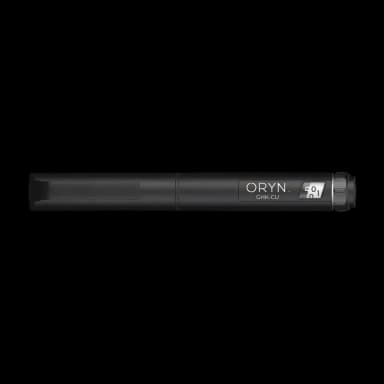
An evidence-based guide to GHK-Cu injection protocols for hair loss research. Examining the mechanism of action in hair follicles, published studies on dermal papilla cells, dosing considerations, and practical protocol design for researchers.
9 min read · Updated 2026-04-10
GHK-Cu and Hair Biology: Mechanism of Action
GHK-Cu (glycyl-L-histidyl-L-lysine copper complex) is a naturally occurring tripeptide-copper complex found in human plasma, saliva, and urine. First identified by Loren Pickart in 1973, GHK-Cu has been the subject of extensive research spanning wound healing, tissue remodelling, anti-inflammatory activity, and -- increasingly -- hair follicle biology.
The mechanism by which GHK-Cu may influence hair growth involves several interconnected pathways:
Dermal Papilla Cell Stimulation: The dermal papilla (DP) is the signalling centre of the hair follicle, controlling the hair growth cycle. Published in vitro research has demonstrated that GHK-Cu can stimulate DP cell proliferation and increase the expression of growth factors critical for hair follicle function, including VEGF (vascular endothelial growth factor) and bFGF (basic fibroblast growth factor).
Wnt/Beta-Catenin Pathway: Research published in 2018-2024 has shown that copper peptides can modulate the Wnt/beta-catenin signalling pathway, which is one of the master regulators of hair follicle cycling. Activation of this pathway promotes the anagen (growth) phase and suppresses premature catagen (regression) entry.
Anti-Inflammatory Effects: Chronic scalp inflammation (microinflammation) is increasingly recognised as a contributing factor in androgenetic alopecia. GHK-Cu has well-documented anti-inflammatory properties, reducing inflammatory cytokine expression including IL-6 and TNF-alpha.
Angiogenesis: Hair follicles require robust blood supply, particularly during anagen. GHK-Cu promotes angiogenesis through VEGF upregulation, potentially improving nutrient delivery to active follicles.
All research discussed here is preclinical. GHK-Cu is not approved as a hair loss treatment. ORYN offers GHK-Cu for research purposes only.
Published Research on GHK-Cu and Hair Follicles
The body of published research specifically investigating GHK-Cu effects on hair follicles has grown considerably in recent years. Here is a summary of key findings.
In Vitro Studies: - Pyo et al. (2007) demonstrated that GHK-Cu at concentrations of 1-10 microM stimulated human dermal papilla cell proliferation in a dose-dependent manner - Kang et al. (2009) showed that GHK-Cu increased beta-catenin expression in outer root sheath keratinocytes, suggesting activation of the Wnt pathway - Multiple groups have confirmed that GHK-Cu upregulates VEGF production in DP cells, which is associated with improved follicular vascularisation
Gene Expression Studies: Pickart et al. (2012, 2015) published comprehensive gene expression analyses showing that GHK-Cu modulates the expression of over 4,000 genes in human fibroblasts. Among hair-relevant genes, GHK-Cu was found to: - Upregulate genes associated with tissue repair and remodelling - Downregulate genes associated with inflammation and tissue destruction - Modulate genes involved in the extracellular matrix composition of the follicular microenvironment
Comparative Studies: Research comparing GHK-Cu to other hair research compounds has shown: - GHK-Cu produced DP cell proliferation comparable to or exceeding minoxidil in several in vitro studies - The combination of GHK-Cu with other growth factors showed additive effects in some protocols - Copper delivery appears to be important: GHK alone (without copper) showed reduced activity
Animal Models: A limited number of animal studies have investigated topical and injectable GHK-Cu for hair-related endpoints: - Mouse models have demonstrated increased hair follicle size and prolonged anagen duration with GHK-Cu treatment - The injectable route showed more consistent results than topical application in the available animal data
The research literature supports further investigation of GHK-Cu in hair follicle biology. However, clinical evidence in humans remains limited, and all conclusions should be considered preliminary.
FEATURED PRODUCT
GHK-CU — Copper Peptide Research Compound
60 mg · >99% purity · GMP
Injectable GHK-Cu Dosing for Research Protocols
Designing an injectable GHK-Cu protocol for hair loss research requires consideration of dosing, administration route, frequency, and duration. The following is based on published research and pharmacological principles.
Dose Ranges in Published Research: - In vitro studies: 0.1-10 microM (cell culture concentration) - Animal studies: 0.5-5 mg/kg body weight (various routes) - Estimated human-equivalent doses (allometric scaling): variable, but commonly referenced ranges are 1-5 mg per injection
Route of Administration: For hair loss research, two injectable routes are relevant:
1. Subcutaneous (SC) injection (systemic approach): - Delivers GHK-Cu to systemic circulation, relying on blood-borne delivery to hair follicles - Simpler to administer consistently - ORYN's GHK-Cu pen is designed for SC delivery with factory-calibrated dosing - Published systemic protocols typically use daily or every-other-day dosing
2. Mesotherapy/Intradermal (scalp injection): - Delivers GHK-Cu directly to the scalp dermis near hair follicles - Achieves higher local concentrations at the follicular level - Requires specialised technique and equipment - Published protocols typically use weekly or bi-weekly sessions - More invasive and technically demanding
Dosing Frequency: - SC systemic: daily or every other day (5-7 injections per week) - Intradermal scalp: weekly or bi-weekly - Protocol duration: 12-24 weeks is typical for hair-related research endpoints (reflecting the length of the hair growth cycle)
Important Considerations: - Hair follicle cycling is slow -- visible changes require weeks to months - Baseline documentation (photographs, trichoscopy) is essential before starting - Multiple growth cycles may need to pass before meaningful data can be collected - Researchers should plan for at least 12 weeks of consistent dosing
Protocol Design: A Research Framework
Based on published methodology, here is a framework for designing a GHK-Cu hair loss research protocol. This is provided as a research reference, not medical advice.
Phase 1: Baseline Assessment (Week 0) - Standardised photography (consistent lighting, angle, distance) - Trichoscopy measurements (hair density, follicular unit count, hair diameter) - Hair pull test documentation - Scalp condition assessment (inflammation markers, sebum production) - Blood markers if relevant (ferritin, zinc, copper, thyroid function, hormones)
Phase 2: Treatment Period (Weeks 1-16) - Consistent daily SC injection via ORYN GHK-Cu pen - Same time of day each administration - Injection site rotation (abdomen, thigh) for systemic delivery - Weekly diary entries documenting any observed changes - Interim assessments at weeks 4, 8, and 12: - Repeat trichoscopy measurements - Standardised photography - Side effect documentation
Phase 3: Final Assessment (Week 16) - Complete repeat of all baseline measurements - Comparison analysis (baseline vs week 16) - Documentation of any adverse effects
Phase 4: Follow-Up (Weeks 17-24, optional) - Continue treatment or discontinue and observe washout - Repeat measurements at week 20 and 24 - Determine whether effects persist after cessation
Control Considerations: - Contralateral comparison (if using intradermal delivery) - Pre/post self-comparison (each subject serves as their own control) - Document all concurrent treatments, supplements, and lifestyle factors
Data Recording: - Use standardised scoring systems (e.g., SALT score for alopecia areata) - Digital trichoscopy provides objective, measurable data - Photograph under identical conditions at every timepoint - Record all variables that could confound results (diet, stress, medications)
Combining GHK-Cu with Other Research Compounds
Researchers investigating hair loss often explore combination approaches to target multiple pathways simultaneously. GHK-Cu has properties that make it a logical candidate for combination protocols.
GHK-Cu + Growth Factor Peptides: The combination of GHK-Cu with other growth-factor-stimulating peptides is an active area of investigation. The rationale is that GHK-Cu provides the copper cofactor and direct DP cell stimulation, while complementary peptides address other aspects of follicular biology.
GHK-Cu + Antioxidant Compounds: Oxidative stress is implicated in premature hair follicle miniaturisation. Combining GHK-Cu (which has intrinsic antioxidant properties via superoxide dismutase upregulation) with dedicated antioxidant compounds may provide additive benefits. NAD+ and glutathione are relevant considerations: - NAD+ supports cellular energy production in metabolically active follicles - Glutathione is the body's primary intracellular antioxidant
GHK-Cu + Anti-Inflammatory Peptides: For research models where scalp inflammation is a contributing factor, combining GHK-Cu with peptides that have well-documented anti-inflammatory properties (such as BPC-157) could address both the inflammatory and growth-stimulatory aspects of the research question.
Practical Combination Protocol Design: - Administer each compound separately (do not mix in the same syringe unless compatibility is verified) - Stagger administration times if using multiple SC injections (morning/evening split) - Maintain consistent dosing of each compound throughout the protocol - Document each compound separately in the protocol log
Available from ORYN: ORYN offers GHK-Cu as a pre-filled peptide pen, alongside BPC-157, NAD+, and glutathione pens. All products are >99% purity, GMP certified, and ship from the EU. This makes it straightforward for researchers to implement multi-compound protocols with consistent, factory-calibrated dosing.
All products are for research purposes only. ORYN does not recommend specific treatment protocols.