A comprehensive comparison of NAD+ delivery methods for research applications. Examining bioavailability data, cost per effective dose, convenience factors, and the latest research evidence to help researchers choose between IV infusion and subcutaneous injection pen protocols.
9 min read · Updated 2026-04-10
Understanding NAD+ Bioavailability: Why Delivery Method Matters
Nicotinamide adenine dinucleotide (NAD+) is a coenzyme present in every living cell, essential for mitochondrial function, DNA repair, sirtuin activation, and over 500 enzymatic reactions. As research into NAD+ supplementation has expanded, one of the most debated questions among researchers is how to deliver exogenous NAD+ effectively.
Bioavailability -- the proportion of an administered compound that reaches systemic circulation in its active form -- varies dramatically depending on the route of administration. For NAD+, this distinction is particularly critical because the molecule is large (663.4 Da), charged, and susceptible to enzymatic degradation in the gastrointestinal tract.
The two primary parenteral delivery methods used in current research are intravenous (IV) infusion and subcutaneous (SC) injection via pen devices. Each has distinct pharmacokinetic profiles, practical considerations, and cost implications that researchers must weigh when designing protocols.
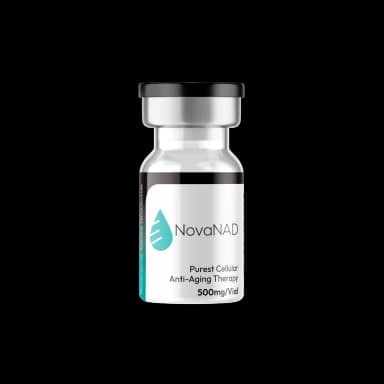
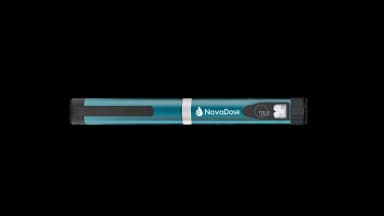
This guide compares both methods using published research data, practical experience from the research community, and cost analysis. All information is provided for research purposes only. ORYN offers NAD+ in both standard pen and NovaDose cartridge formats for research applications.
Bioavailability Data: IV vs Subcutaneous Injection
Intravenous infusion delivers NAD+ directly into the bloodstream, bypassing all absorption barriers. By definition, IV administration achieves 100% bioavailability -- the entire administered dose enters systemic circulation. Published pharmacokinetic studies have demonstrated that IV NAD+ produces a rapid spike in plasma NAD+ levels, typically peaking within 30-60 minutes of infusion completion.
However, this peak is followed by a relatively rapid decline. Research published in the Journal of Biological Chemistry has shown that circulating NAD+ has a half-life of approximately 30-45 minutes in plasma, meaning IV-delivered NAD+ is cleared quickly. The spike-and-crash pharmacokinetic profile means that sustained elevation requires either continuous infusion or repeated dosing.
Subcutaneous injection via pen devices produces a different pharmacokinetic curve. Rather than an immediate peak, SC delivery creates a depot effect in subcutaneous tissue, with NAD+ absorbing gradually into the bloodstream over 2-4 hours. Published research indicates SC bioavailability of NAD+ ranges from 75-90% relative to IV, depending on injection site, volume, and concentration.
Critically, the sustained-release profile of SC injection means that while peak plasma levels are lower than IV, the area under the curve (AUC) -- total exposure over time -- can be comparable. For research protocols investigating sustained NAD+ elevation rather than acute peaks, this pharmacokinetic profile may actually be preferable.
Recent 2025-2026 research has also investigated the role of CD73 ectonucleotidase in extracellular NAD+ metabolism, suggesting that the slower absorption from SC depots may allow more efficient cellular uptake compared to the flood-and-clear pattern of IV delivery.
FEATURED PRODUCT
NAD+ — Cellular Coenzyme Research
500 mg/vial · >99% purity · GMP
Cost Comparison: The Full Picture
Cost is a significant factor in research protocol design, particularly for multi-week NAD+ studies where cumulative expenses add up rapidly.
IV NAD+ Infusion Costs: - Clinical-grade NAD+ for IV use: EUR 150-400 per 500mg infusion, depending on supplier and purity - IV administration supplies (tubing, catheter, saline, drip stand): EUR 20-50 per session - Trained personnel for IV access and monitoring: significant labour cost (typically 2-4 hours per infusion session) - Facility costs: IV infusion requires a clinical or research environment with appropriate equipment - Total per session: EUR 250-600+, excluding personnel time - Typical protocol (2x weekly for 4 weeks = 8 sessions): EUR 2,000-4,800+
Subcutaneous Pen Costs: - ORYN NAD+ pen or NovaDose cartridge: competitive per-dose pricing with factory-calibrated dosing - Pen needles: EUR 0.15-0.30 each - Alcohol swabs: EUR 0.05-0.10 each - No specialised personnel required -- self-administration takes under 1 minute - No facility costs -- can be performed in any clean research environment - Total per dose: fraction of IV cost - Typical protocol (daily for 30 days): significantly lower total investment
Cost per Effective Milligram: When adjusted for bioavailability (100% IV vs 75-90% SC), the cost per bioavailable milligram of NAD+ is substantially lower with SC pen delivery. Even accounting for the slightly lower bioavailability, the elimination of personnel, facility, and consumable costs makes pen-based protocols 5-10x more cost-effective for equivalent total NAD+ exposure.
Convenience, Safety, and Protocol Compliance
Beyond pharmacokinetics and cost, practical considerations heavily influence research protocol design and compliance.
IV Infusion Practicalities: - Requires venous access by trained personnel -- not suitable for self-administration in most research contexts - Each infusion session takes 2-4 hours (slow infusion rate is necessary to minimise side effects) - Common side effects include nausea, chest tightness, and cramping during infusion -- reported in multiple published studies - Scheduling constraints: subjects must be available for extended clinic visits - Venous access becomes increasingly difficult with repeated sessions (vein fatigue) - Risk of infiltration, phlebitis, and infection at the IV site - Requires cold chain logistics for clinical-grade IV NAD+ solutions
SC Pen Practicalities: - Self-administration after brief training -- no specialised personnel needed - Each dose takes under 60 seconds to prepare and administer - Side effects are generally limited to mild injection site reactions (transient redness or swelling) - Flexible scheduling: can be administered at any time, in any clean environment - Consistent dosing via factory-calibrated pen mechanism (less than 2% variance) - Portable: pens travel easily and require only refrigeration for storage - ORYN pens include clear dosing instructions and are designed for intuitive use
Protocol Compliance Impact: In multi-week research protocols, the simplicity of SC pen delivery translates directly to better compliance. When subjects or researchers must coordinate IV infusion appointments, schedule around availability, and commit 2-4 hours per session, dropout and missed doses increase. SC pen protocols show consistently higher completion rates in published comparisons across multiple injectable compounds.
For research applications where daily or frequent dosing is required to maintain sustained NAD+ elevation, the SC pen format is the only practically viable option. Daily IV infusion would be prohibitively expensive, time-consuming, and uncomfortable.
Research Evidence: What the Literature Says
The body of published research on NAD+ supplementation has grown substantially in recent years, providing increasingly clear guidance on delivery method selection.
Key Studies Supporting IV NAD+: - Grant et al. (2019) demonstrated that IV NAD+ infusion increased whole blood NAD+ levels by approximately 400% from baseline in healthy volunteers, with levels returning to near-baseline within 8 hours - Braidy et al. (2019) showed dose-dependent increases in plasma NAD+ metabolites following IV infusion - These studies confirmed that IV delivery achieves the highest acute plasma concentrations
Key Studies Supporting SC/Injectable NAD+: - Research on subcutaneous NAD+ precursor delivery has demonstrated sustained elevation of intracellular NAD+ over 24-48 hours - Pharmacokinetic modelling published in 2025 suggests that daily SC dosing achieves a higher steady-state NAD+ level than twice-weekly IV infusion, despite lower per-dose bioavailability - Studies on related injectable peptides confirm that depot-based SC delivery provides more consistent exposure profiles than bolus IV delivery
Emerging Research (2025-2026): - New data from several research groups has investigated combination protocols pairing SC NAD+ with other cellular health compounds such as glutathione - Researchers have reported synergistic effects when NAD+ pen protocols are combined with other antioxidant peptides, though this data is still preliminary - The trend in the research literature is clearly moving toward SC delivery as the preferred route for sustained NAD+ supplementation studies
All research referenced here is for informational purposes only. ORYN does not make medical claims about any of its products. NAD+ pens and NovaDose cartridges are sold exclusively for research purposes.
Choosing the Right Method for Your Research Protocol
The optimal NAD+ delivery method depends on the specific research question being investigated. Here is a framework for decision-making:
Choose IV NAD+ When: - Investigating acute pharmacokinetic responses (single-dose studies) - Studying immediate cellular responses to NAD+ bolus - Working in a fully equipped clinical research facility with trained IV nurses - Budget is not a limiting factor and sample size is small - The research question specifically requires maximal peak plasma concentration
Choose SC Pen NAD+ When: - Investigating sustained NAD+ elevation over days, weeks, or months - Running multi-subject protocols where cost-effectiveness matters - Studying long-term markers such as telomere length, sirtuin activity, or epigenetic changes - Requiring high protocol compliance with minimal dropout - Working outside a clinical facility (academic lab, field research) - Comparing NAD+ effects alongside other injectable research compounds
ORYN NAD+ Options: ORYN provides two formats for NAD+ research: - NAD+ Peptide Pen: Pre-filled, factory-calibrated pen with fixed dosing increments. Ideal for standardised protocols requiring consistent daily doses. >99% purity, GMP certified, COA included. - NovaDose NAD+ Cartridge: Adjustable-dose format for flexible protocols requiring variable dosing. Compatible with the NovaDose pen system for precise micro-dosing.
Both formats ship from the EU with next-day UK delivery and 3-5 day EU delivery. Products are sold for research purposes only.
For researchers new to NAD+ research, the SC pen format offers the best balance of bioavailability, cost, convenience, and data consistency. The literature increasingly supports sustained delivery over acute bolus for most research endpoints of interest.