A comprehensive analysis of Semax legal status in Germany and the broader EU in 2026. Covering regulatory frameworks, BfArM classification, EU-wide considerations, and research-grade peptide alternatives available from trusted suppliers.
9 min read · Updated 2026-04-10
What Is Semax? A Peptide Overview
Semax is a synthetic heptapeptide (seven amino acids) originally developed at the Institute of Molecular Genetics of the Russian Academy of Sciences in the 1980s. It is derived from a fragment of adrenocorticotropic hormone (ACTH), specifically the ACTH(4-7) sequence, with an added Pro-Gly-Pro tripeptide at the C-terminus to improve stability and bioavailability.
In Russia, Semax has been approved as a pharmaceutical drug since 2011 and is available by prescription for conditions related to cognitive function and neurological recovery. It is sold under the brand name Semax as a nasal spray formulation. However, this Russian pharmaceutical approval does not extend to any other country.
In the context of international peptide research, Semax has attracted significant interest due to published studies investigating its potential effects on neurotrophic factors, particularly BDNF (brain-derived neurotrophic factor) and NGF (nerve growth factor). Preclinical research has explored its role in neuroprotection, cognitive modulation, and immune system interactions.
It is crucial to note that Semax is not approved as a medicine in Germany, the EU, the UK, or the USA. Any references to its biological activity are based on preclinical research and should not be interpreted as medical claims. Researchers interested in nootropic peptides should be aware of the regulatory complexities surrounding Semax in their jurisdiction.
Legal Status of Semax in Germany
The legal status of Semax in Germany is more complex than many other research peptides. Unlike widely available compounds such as BPC-157 or GHK-Cu, Semax occupies a regulatory grey area that researchers should understand before attempting to procure it.
Key Regulatory Considerations: - Semax is not listed as a controlled substance under the German Betäubungsmittelgesetz (BtMG) - It is not explicitly banned or scheduled in Germany - However, because Semax is approved as a pharmaceutical in Russia, German authorities (particularly the BfArM) may classify it as an unlicensed medicinal product if it is marketed with therapeutic claims - The Arzneimittelgesetz (AMG) applies to any substance presented as having medicinal properties, regardless of its formal approval status
Practical Implications: - Importing Semax from Russian pharmacies for personal use falls under the AMG's import regulations for unlicensed medicines and may require special permits - Purchasing Semax labelled as a research chemical from EU-based suppliers is generally permissible, provided no therapeutic claims are made - The BfArM has not issued specific guidance on Semax, leaving interpretation to individual cases - Online purchases from non-EU suppliers carry additional risks: customs may flag shipments as potential unlicensed medicines
Recommendation for German Researchers: Due to the ambiguous regulatory status of Semax in Germany, researchers should exercise particular caution. Ensure any supplier explicitly labels Semax as a research chemical, provides proper documentation, and makes no medicinal claims. Consider whether well-established research peptides with clearer legal status might serve your research objectives equally well.
FEATURED PRODUCT
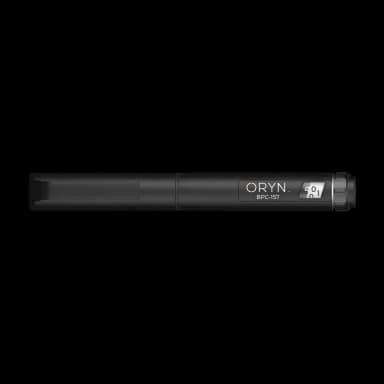
BPC-157 — Regeneration Research Peptide
10 mg · >99% purity · GMP
Semax Across the EU: Country-by-Country Overview
The European Union does not have a unified regulatory framework for research peptides at the individual compound level. While the European Medicines Agency (EMA) regulates approved pharmaceuticals, research chemicals are primarily governed by national legislation. Here is an overview of Semax's status across key EU markets:
Western EU: - France: Not approved as a medicine. Available as a research chemical but subject to ANSM (Agence nationale de sécurité du médicament) scrutiny if marketed with health claims - Netherlands: Relatively permissive for research chemicals. Available from Dutch-based suppliers for research purposes - Belgium: Similar framework to the Netherlands. No specific prohibition on Semax as a research chemical - Spain: AEMPS (Agencia Española de Medicamentos) does not list Semax as a controlled substance. Available for research
Nordic EU: - Sweden: Stricter pharmaceutical regulations. Semax may be classified as an unlicensed medicine if presented with medicinal claims - Denmark: Danish Medicines Agency maintains strict controls. Research chemical status is case-dependent - Finland: FIMEA regulates medicines. Research chemical procurement is possible but documentation-dependent
Eastern EU: - Poland: More accessible. Research chemical market is active with several domestic suppliers - Czech Republic: Relatively permissive research chemical regulations
General EU Principle: The legal status of Semax across the EU hinges primarily on how it is marketed and sold. When sold as a research chemical without therapeutic claims, it is generally permissible. When sold with medicinal claims or in pharmaceutical formats (like nasal sprays mimicking the Russian product), it risks classification as an unlicensed medicine. Researchers should always verify the current status in their specific member state.
Research Alternatives Available from ORYN
For researchers whose primary interest lies in neuroprotection, cognitive function, or cellular health pathways, several well-established peptides with clear legal status offer robust research potential. ORYN provides the following alternatives, all available with EU shipping and unambiguous legal status:
BPC-157 (Body Protection Compound-157): BPC-157 has been investigated in preclinical studies for neuroprotective properties alongside its better-known tissue repair research applications. Studies have examined its interaction with the dopaminergic and serotonergic systems, making it relevant to researchers interested in neurological pathways. BPC-157 has a clear legal status across the EU and UK as a research chemical. - Available as a pre-filled peptide pen from ORYN - >99% HPLC purity, GMP-certified manufacturing - 30-day supply per pen
NAD+ (Nicotinamide Adenine Dinucleotide): NAD+ is a coenzyme central to cellular energy metabolism and has been extensively researched in the context of ageing, neuroprotection, and DNA repair. Published studies have investigated NAD+ supplementation in models of neurodegeneration, making it relevant to cognitive health research. - Available as a NovaDose cartridge from ORYN - Adjustable dosing for flexible research protocols - No regulatory ambiguity — NAD+ is a naturally occurring metabolite
GHK-Cu (Copper Peptide): GHK-Cu has been studied for its roles in tissue remodelling, gene expression modulation, and antioxidant activity. Research has explored its potential effects on neurogenesis and brain health markers in preclinical models.
All ORYN products ship from the EU with 2-5 day delivery to Germany and most EU countries, and next-day delivery to the UK. Products are sold exclusively for research purposes.
Procurement Best Practices for EU Researchers
Whether researching Semax or alternative peptides, following best practices for procurement protects both your research integrity and legal compliance:
Supplier Due Diligence: - Verify GMP certification of the manufacturing facility - Request and review Certificates of Analysis (COA) before purchasing — these should include HPLC purity data, mass spectrometry confirmation, and endotoxin testing - Check supplier reviews from other researchers in reputable forums and communities - Confirm the supplier has a verifiable business address and registration - Ensure products are clearly labelled as research chemicals
Documentation and Compliance: - Maintain records of all peptide purchases, including invoices, COAs, and correspondence - Document the intended research purpose for each compound - Store peptides according to manufacturer specifications (typically 2-8°C for reconstituted solutions) - Track batch numbers and link them to specific research experiments - Follow your institution's procurement policies for research chemicals
Shipping and Handling: - Prefer EU-based suppliers to avoid customs complications - Verify temperature-controlled shipping for temperature-sensitive compounds - Inspect deliveries upon arrival: check packaging integrity, verify COA matches the order, and confirm proper labelling - Report any discrepancies to the supplier immediately
ORYN Compliance: ORYN meets all of these criteria with GMP-certified manufacturing (South Korea), >99% purity, batch-specific COAs, EU-based shipping, and clear research-use-only labelling. All products are sold for research purposes only — visit orynxpeptides.com for specifications and availability.