What Is Tirzepatide? Understanding the Dual-Agonist Mechanism
Tirzepatide is a synthetic peptide that acts as a dual agonist of both the glucose-dependent insulinotropic polypeptide (GIP) and glucagon-like peptide-1 (GLP-1) receptors. This dual-receptor mechanism distinguishes tirzepatide from earlier single-agonist compounds like semaglutide, which target only the GLP-1 receptor.
The GIP receptor, once considered less clinically relevant, has emerged as a critical target in metabolic research. GIP signalling enhances insulin secretion, promotes lipid metabolism in adipose tissue, and may contribute to improved energy balance. By engaging both pathways simultaneously, tirzepatide produces synergistic metabolic effects that exceed what either receptor alone can achieve.
Tirzepatide's molecular structure is based on a 39-amino acid sequence with a C20 fatty di-acid moiety attached via a linker, allowing once-weekly dosing due to extended albumin binding and a half-life of approximately 5 days.
Key Clinical Research Milestones in 2026
The SURPASS and SURMOUNT clinical trial programmes have generated landmark data for tirzepatide research:
SURPASS Trials (Type 2 Diabetes): - SURPASS-1 through SURPASS-5 demonstrated superior HbA1c reductions compared to placebo, semaglutide, and insulin therapies - Mean HbA1c reductions of 1.87% to 2.59% across dose groups - Up to 40% of participants achieved HbA1c below 5.7% (normoglycaemic levels)
SURMOUNT Trials (Body Weight Management): - SURMOUNT-1: Mean body weight reduction of 20.9% at highest dose (15 mg) over 72 weeks - SURMOUNT-2: Significant weight loss in participants with type 2 diabetes (14.7% at 15 mg) - SURMOUNT-3 and -4: Demonstrated sustained weight management with continued treatment
Emerging 2026 Research Areas: - Cardiovascular outcome data from ongoing long-term studies - Metabolic-associated steatotic liver disease (MASLD) reduction - Obstructive sleep apnoea improvement - Potential applications in neurodegenerative disease models
Tirzepatide Dosing Protocols for Research
Research protocols for tirzepatide follow a structured dose-escalation approach to minimise gastrointestinal adverse events:
Standard Escalation Protocol: - Weeks 1-4: 2.5 mg once weekly (initiation dose) - Weeks 5-8: 5 mg once weekly - Weeks 9-12: 7.5 mg once weekly (optional intermediate step) - Weeks 13-16: 10 mg once weekly - Weeks 17+: 12.5 mg or 15 mg once weekly (maintenance)
Key Dosing Considerations: - Each dose level should be maintained for a minimum of 4 weeks before escalation - The 2.5 mg starting dose is sub-therapeutic for weight management but essential for GI tolerance - Dose adjustments should be guided by protocol objectives and tolerability data - Missed doses can be administered within 4 days; otherwise, skip to the next scheduled dose
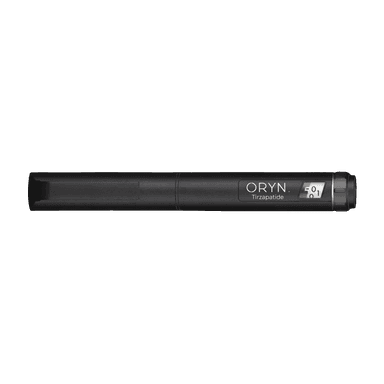
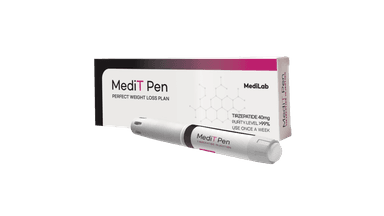
ORYN's Tirzepatide Pen and MediT Pen are designed for precise weekly dosing with factory-calibrated delivery mechanisms, eliminating reconstitution variables that can affect research outcomes.
Metabolic Outcomes: Beyond Weight Reduction
While tirzepatide's weight management effects have attracted widespread attention, the metabolic research profile extends considerably further:
Glycaemic Control: - Significant HbA1c reductions across all dose levels - Improved fasting and postprandial glucose profiles - Enhanced beta-cell function and insulin sensitivity
Lipid Profile Improvements: - Reduced triglycerides (19-25% reduction) - Decreased VLDL cholesterol - Improved HDL/LDL ratio
Cardiovascular Markers: - Reductions in systolic blood pressure (6-9 mmHg) - Decreased inflammatory markers (hsCRP) - Improved endothelial function markers
Body Composition: - Preferential fat mass reduction over lean mass loss - Significant reduction in visceral adipose tissue - Waist circumference reductions of 7-10 cm at higher doses
These multidimensional metabolic improvements make tirzepatide a compelling research compound for studying interconnected cardiometabolic pathways.
Delivery Systems: Tirzepatide Pen vs MediT Pen
ORYN offers two delivery formats for tirzepatide research:
Tirzepatide Pen (€169): - Standard ORYN pen format - Adjustable dosing with precision click mechanism - 30-day supply per pen - Ideal for dose-escalation research protocols
MediT Pen (€249): - 40 mg prefilled weekly pen system - Pre-calibrated for once-weekly administration - Eliminates all dosing calculations - Premium convenience for established protocols
Both systems deliver >99% purity tirzepatide manufactured in GMP-certified facilities, with 0.22μm sterile filtration and 24-month shelf life at 2-8°C.
For the Peak Performance campaign (May 15 – June 30), both products are featured in the Metabolic Transformation Stack at 12% off when bundled together. Visit the /peak-performance page for details.
Safety Profile and Research Considerations
Published research identifies the following considerations for tirzepatide protocols:
Common Research Observations: - Gastrointestinal effects (nausea, diarrhoea, decreased appetite) — most common at dose escalation, typically transient - Injection site reactions — generally mild and self-limiting - Decreased appetite — expected pharmacological effect of GLP-1 receptor agonism
Monitoring Parameters: - Body weight and composition at regular intervals - Metabolic panels (glucose, HbA1c, lipids) - Gastrointestinal tolerability assessments - Thyroid function monitoring (precautionary, based on rodent C-cell data)
Contraindications in Research: - Personal or family history of medullary thyroid carcinoma - Multiple endocrine neoplasia syndrome type 2 (MEN2) - Known hypersensitivity to tirzepatide or excipients
All ORYN products are sold strictly for research purposes only and are not approved for human therapeutic use.