An in-depth review of GHK-Cu (copper peptide) research for skin biology in 2026. Examining collagen synthesis, wound healing, gene expression modulation, and the evidence for skin rejuvenation applications.
10 min read · Updated 2026-04-10
What Is GHK-Cu and Why Is It Unique?
GHK-Cu (glycyl-L-histidyl-L-lysine copper complex) is a naturally occurring tripeptide-copper complex found in human plasma, saliva, and urine. First identified in 1973 by Dr. Loren Pickart, it has become one of the most studied peptides in skin biology research.
What makes GHK-Cu unique: - It is a naturally occurring human peptide, not a synthetic creation - It has a high affinity for copper(II) ions, forming a stable complex - Its concentration in human plasma declines with age (approximately 200 ng/mL at age 20, declining to approximately 80 ng/mL by age 60) - It modulates the expression of over 4,000 human genes, according to published Connectivity Map (CMap) data - The copper ion is integral to its biological activity, not merely an add-on
Relevance to skin research: The skin is the largest organ in the body and one of the most accessible for peptide research. GHK-Cu's documented effects on collagen synthesis, wound healing, and gene expression make it particularly relevant for dermatological and cosmetic research.
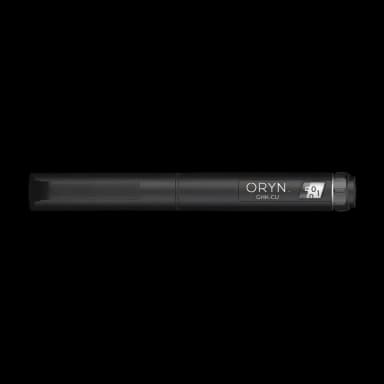
ORYN offers GHK-Cu as a pre-filled peptide pen with >99% purity, GMP manufactured in South Korea. For research purposes only.
Collagen Synthesis and Extracellular Matrix
One of the most extensively studied aspects of GHK-Cu is its effect on collagen synthesis and extracellular matrix (ECM) remodelling, which are fundamental to skin structure and function.
Collagen synthesis research: - GHK-Cu has been shown to stimulate collagen type I and type III synthesis in fibroblast cultures - Increases production of decorin, a proteoglycan that regulates collagen fibrillogenesis - Promotes the synthesis of other ECM components including elastin, glycosaminoglycans, and fibronectin - The copper ion is essential for lysyl oxidase activity, which cross-links collagen and elastin fibres for structural integrity
ECM remodelling: - Modulates matrix metalloproteinase (MMP) activity, the enzymes responsible for ECM degradation - Promotes the balance between ECM synthesis and degradation - Supports organised collagen deposition rather than disorganised scar tissue
Published evidence: In vitro studies have consistently demonstrated that GHK-Cu at physiological concentrations stimulates fibroblast collagen production. Skin equivalent models have shown improved structural organisation when treated with GHK-Cu. These findings have driven interest in GHK-Cu for skin rejuvenation research.
Age-related relevance: Skin collagen production decreases approximately 1-1.5% per year after age 20. The parallel decline in GHK-Cu plasma levels has led researchers to investigate whether GHK-Cu supplementation can support collagen maintenance.
FEATURED PRODUCT
GHK-CU — Copper Peptide Research Compound
60 mg · >99% purity · GMP
Wound Healing and Tissue Repair
GHK-Cu has been studied for wound healing since the 1980s, with evidence spanning from in vitro cell cultures to animal wound models.
Mechanisms in wound healing: - Inflammation modulation: GHK-Cu has been shown to reduce inflammatory cytokines (TNF-alpha, IL-6) while promoting anti-inflammatory mediators. This helps transition wounds from the inflammatory phase to the proliferative phase - Angiogenesis: Promotes formation of new blood vessels, essential for delivering oxygen and nutrients to healing tissue - Fibroblast recruitment: Attracts fibroblasts to the wound site and stimulates their proliferation - Nerve regeneration: Published studies have demonstrated neurotrophic properties, potentially supporting sensory recovery in healing skin - Antioxidant defence: Copper is a cofactor for superoxide dismutase (SOD), a key antioxidant enzyme that protects healing tissue from oxidative damage
Animal wound model data: Studies in rodent full-thickness wound models have shown accelerated wound closure, improved collagen deposition, and enhanced angiogenesis with GHK-Cu treatment. The peptide appeared to promote more organised tissue architecture compared to controls.
Hair follicle research: GHK-Cu has also been studied for its effects on hair follicles, with published data suggesting it may support the anagen (growth) phase. This has generated interest in GHK-Cu for hair biology research alongside skin research.
All findings are from preclinical studies. ORYN products are for research purposes only.
Gene Expression Modulation
Perhaps the most remarkable aspect of GHK-Cu research is the scale of its gene expression effects. Analysis using the Broad Institute's Connectivity Map (CMap) database has revealed that GHK-Cu modulates the expression of over 4,000 human genes.
Gene expression findings (published CMap analysis): - Upregulated pathways: DNA repair, antioxidant response, ubiquitin-proteasome system (protein quality control), stem cell maintenance, collagen synthesis - Downregulated pathways: Inflammation (NF-kB signalling), metastasis-related genes, fibrosis-promoting genes, oxidative stress-generating pathways
Specific gene regulation examples: - Upregulates TIMP-1 and TIMP-2 (tissue inhibitors of metalloproteinases), protecting ECM from excessive degradation - Downregulates multiple inflammatory cytokine genes - Modulates TGF-beta signalling, which is central to both wound healing and fibrosis - Upregulates antioxidant genes including SOD and glutathione-related enzymes
Implications for skin research: The breadth of gene expression changes suggests GHK-Cu acts as a broad regulatory signal rather than a single-target compound. This systems-level activity is consistent with its role as a natural wound-response molecule that coordinates multiple repair processes simultaneously.
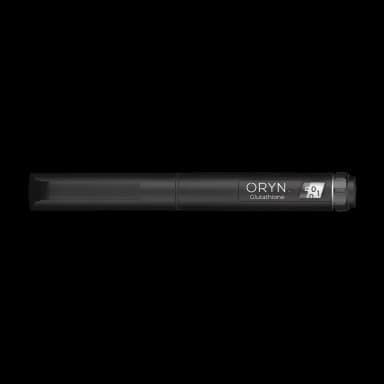
Synergy with glutathione: GHK-Cu upregulates glutathione-related genes, which has led to research interest in combining GHK-Cu with glutathione for enhanced antioxidant protection. Both are available from ORYN as pre-filled pens.
Research Applications and ORYN Products
GHK-Cu research continues to expand across multiple areas of skin biology, and the compound's natural origin and safety profile make it an attractive research tool.
Current research applications: - Skin ageing: Studying the effects of GHK-Cu on age-related collagen loss, elasticity decline, and skin thinning - Wound healing: Evaluating GHK-Cu in various wound models, from acute to chronic - Scar research: Investigating whether GHK-Cu can promote organised collagen deposition over fibrotic scarring - Hair biology: Studying effects on hair follicle cycling, particularly the anagen-catagen transition - Photoageing: Research into GHK-Cu's potential protective effects against UV-induced skin damage - Skin barrier function: Evaluating effects on ceramide synthesis and epidermal barrier integrity
Why pre-filled pens for GHK-Cu research: GHK-Cu stability is sensitive to pH, temperature, and copper ion availability. Pre-filled pens provide a controlled formulation that maintains peptide integrity, compared to reconstitution from lyophilised powder where copper complexation may vary.
ORYN GHK-Cu products: - Pre-filled peptide pen format - >99% purity verified by HPLC and mass spectrometry - GMP manufactured in South Korea - COA included with every shipment - EU shipping: 3-5 day delivery across Europe, next-day UK - Free shipping on orders over EUR175
Glutathione for complementary research: ORYN also offers glutathione pens for researchers studying antioxidant pathways alongside GHK-Cu. The combination addresses both ECM remodelling (GHK-Cu) and oxidative stress management (glutathione).
All ORYN products are for research purposes only.