What Is NAD+ and Why Does It Matter?
Nicotinamide adenine dinucleotide (NAD+) is a coenzyme found in every living cell, serving as a critical molecule for over 500 enzymatic reactions. It exists in two forms: NAD+ (oxidised) and NADH (reduced), and this redox cycling is fundamental to cellular energy production.
NAD+ was first described in 1906 by Arthur Harden and William John Young, making it one of the earliest discovered biological cofactors. Over a century later, it has become one of the most intensively researched molecules in ageing and metabolic science.
The significance of NAD+ extends far beyond energy metabolism. It serves as a substrate for critical signalling enzymes including sirtuins, PARPs (poly ADP-ribose polymerases), and CD38/CD157 ectoenzymes — all of which regulate DNA repair, inflammation, circadian rhythm, and cellular survival programmes.
NAD+ and Cellular Energy Production
NAD+ is indispensable for the three major metabolic pathways that convert nutrients into ATP (cellular energy):
Glycolysis: - NAD+ accepts electrons during the oxidation of glucose to pyruvate - Each glucose molecule requires 2 NAD+ molecules - Produces 2 ATP + 2 NADH per glucose
Krebs Cycle (Citric Acid Cycle): - NAD+ is reduced to NADH at three key steps in the cycle - Provides the electron carriers needed for oxidative phosphorylation - One complete cycle generates 3 NADH molecules
Oxidative Phosphorylation (Electron Transport Chain): - NADH donates electrons to Complex I of the electron transport chain - This electron flow drives the proton gradient that powers ATP synthase - Each NADH molecule ultimately contributes to the production of approximately 2.5 ATP
Without adequate NAD+ levels, these pathways slow or stall entirely, leading to cellular energy deficiency, metabolic dysfunction, and accelerated ageing phenotypes.
Sirtuins: NAD+-Dependent Longevity Enzymes
Sirtuins (SIRT1-7) are a family of NAD+-dependent deacylases that have emerged as central regulators of ageing and metabolic health. They require NAD+ as a co-substrate — meaning their activity is directly tied to NAD+ availability.
SIRT1: Regulates glucose and lipid metabolism, promotes mitochondrial biogenesis via PGC-1α activation, and enhances DNA repair. Active in the nucleus and cytoplasm.
SIRT2: Involved in cell cycle regulation, adipogenesis, and inflammatory responses. Primarily cytoplasmic.
SIRT3: The major mitochondrial deacetylase. Activates metabolic enzymes, reduces oxidative stress via SOD2 activation, and promotes efficient electron transport chain function.
SIRT4: Mitochondrial enzyme that regulates fatty acid oxidation and glutamine metabolism.
SIRT5: Regulates lysine succinylation and malonylation — post-translational modifications affecting metabolic enzyme activity.
SIRT6: Critical for genomic stability, telomere maintenance, and base excision repair. SIRT6 overexpression has extended lifespan in mouse models.
SIRT7: Involved in ribosomal DNA transcription and stress response regulation.
As NAD+ levels decline with age (approximately 50% reduction between ages 40-60), sirtuin activity correspondingly decreases — contributing to the metabolic decline associated with ageing.
NAD+ Decline with Age: The Research Evidence
A robust body of research demonstrates that NAD+ levels decline progressively with age across multiple tissues:
Key Findings: - Human skin NAD+ levels decrease by approximately 50% between ages 20 and 50 (Massudi et al., 2012) - Brain NAD+ levels decline significantly in ageing, correlating with cognitive decline markers (Zhu et al., 2015) - Skeletal muscle NAD+ depletion is associated with mitochondrial dysfunction and sarcopenia - Hepatic NAD+ decline contributes to fatty liver disease progression
Mechanisms of NAD+ Decline: - Increased CD38 expression: CD38 is a major NAD+ consumer that increases with age and chronic inflammation. It can degrade up to 100 NAD+ molecules per catalytic cycle. - Decreased NAMPT expression: NAMPT (nicotinamide phosphoribosyltransferase) is the rate-limiting enzyme in the NAD+ salvage pathway, and its expression decreases with age. - Increased PARP activity: DNA damage accumulates with age, increasing PARP activation and NAD+ consumption for repair. - Reduced biosynthesis: De novo NAD+ synthesis from tryptophan becomes less efficient with age.
This age-related NAD+ decline has been termed the "NAD+ metabolome collapse" and is now considered a hallmark of ageing by many researchers in the longevity field.
NAD+ Supplementation Strategies in Research
Research into restoring NAD+ levels has explored multiple approaches:
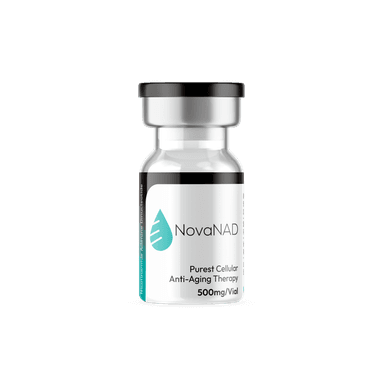
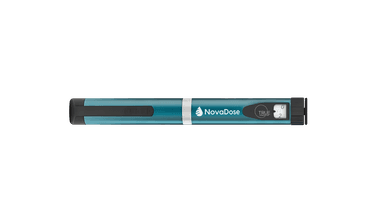
Direct NAD+ Administration: - Bypasses all biosynthetic steps - Immediate bioavailability when delivered parenterally - ORYN's NAD+ Pen and NovaDose NAD+ provide direct NAD+ delivery via subcutaneous injection
Precursor Supplementation: - NMN (Nicotinamide Mononucleotide): Requires one enzymatic step (NMNAT) to convert to NAD+ - NR (Nicotinamide Riboside): Requires phosphorylation by NRK enzymes before NMNAT conversion - Niacin (NA/NAM): Traditional vitamin B3 forms that feed into the Preiss-Handler or salvage pathways
CD38 Inhibition: - Compounds like apigenin and luteolin have shown CD38-inhibitory activity in research - Reducing CD38-mediated NAD+ degradation may complement direct supplementation
Comparative Bioavailability: - Direct NAD+ injection achieves peak plasma levels within 30-60 minutes - Oral NMN/NR must survive GI transit and hepatic first-pass metabolism - IV NAD+ provides the highest bioavailability but requires clinical administration - Subcutaneous NAD+ (via pen delivery) offers a practical balance of bioavailability and convenience
ORYN's NAD+ Pen (€189) provides a standard 30-day supply, while the NovaDose NAD+ (€299) offers adjustable daily microdosing for precision research protocols.
Practical Research Applications of NAD+
NAD+ research spans multiple domains with active investigation in 2026:
Longevity and Ageing: - Restoration of NAD+ levels to youthful ranges in aged animal models reverses mitochondrial dysfunction - Sirtuin activation through NAD+ repletion improves metabolic health markers - Telomere maintenance and DNA repair pathways are enhanced with adequate NAD+
Metabolic Health: - NAD+ repletion improves insulin sensitivity in diet-induced obesity models - Enhanced fatty acid oxidation and reduced hepatic lipid accumulation - Improved exercise capacity and muscle function in aged models
Neurological Research: - NAD+ supports neuronal survival and axonal regeneration - Protects against excitotoxicity and oxidative neuronal damage - Active research in Alzheimer's, Parkinson's, and ALS models
Cardiovascular Research: - NAD+ repletion reduces cardiac hypertrophy and fibrosis in research models - Improves endothelial function and reduces arterial stiffness - Protects against ischaemia-reperfusion injury
For researchers exploring NAD+ in metabolic and longevity contexts, the Peak Performance campaign offers the NAD+ Complete Stack (NAD+ Pen + NovaDose NAD+) at 12% off through June 30, 2026.