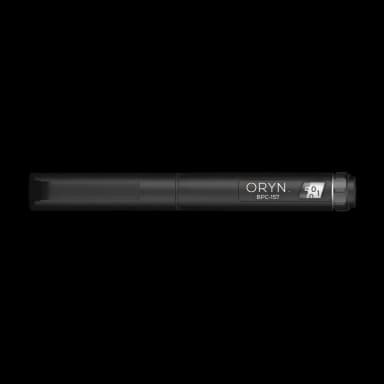
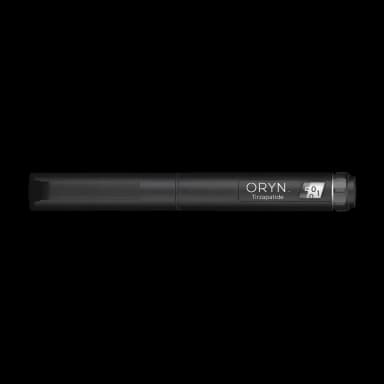
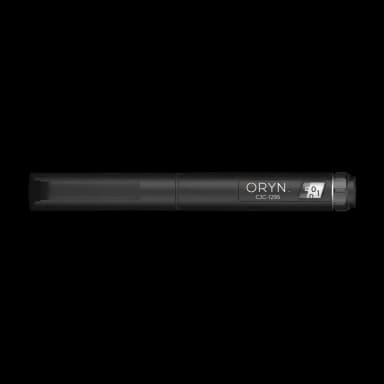
Travelling with a research peptide pen is more complex than domestic storage — cold-chain maintenance, airline policies, customs documentation, and country-specific legal considerations all matter. This guide walks through each.
10 min read · Updated 2026-04-14
When travelling with a peptide pen makes sense
Researchers rarely need to travel with a peptide pen — the typical research protocol runs inside a single laboratory location, and the pen stays in one refrigerator for its in-use window. The travel case applies to a few specific scenarios: multi-site research projects where the pen needs to move between labs; conferences where research material needs to accompany the researcher; or field research where the endpoint measurement site is different from the pen's home lab.
What this guide does not cover is travelling with peptide pens for personal use. ORYN sells all research peptides strictly for research use, and this guide does not provide guidance for any non-research travel context. If you're not a researcher moving research material between research locations, this guide does not apply to you.
Cold-chain maintenance during travel
Research peptide pens require refrigerated storage (2–8°C) throughout the travel window. The two most common cold-chain failure modes during travel are temperature excursions (exposure to >8°C for long enough to accelerate degradation) and freeze exposure (dropping below 0°C in an overcooled cargo area or poorly insulated cooler).
For travel of up to 24 hours, a qualified cold-chain pouch with pre-conditioned ice packs is usually sufficient. The pouch should be insulated, reusable, and rated for the intended temperature range. Pre-conditioned ice packs (stored in the freezer before packing) maintain 2–8°C for 12–24 hours depending on ambient temperature and pouch quality. Do not use fresh ice or dry ice — fresh ice causes uneven cooling and dry ice causes freezing damage.
For travel longer than 24 hours, a hard-side cooler with a data-logger is the standard approach. The data-logger records the temperature profile across the travel window and confirms the cold-chain integrity on arrival. This is the research-grade equivalent of what pharmaceutical supply chains use for biologic transport.
Regardless of the cooler format, avoid direct contact between the pen and the ice pack — the pen should be in a padded inner pouch so it doesn't touch the ice pack directly, which can cause localised freezing damage.
FEATURED PRODUCT
BPC-157 — Regeneration Research Peptide
10 mg · >99% purity · GMP
Airline policies for research peptides
Most major airlines allow research peptides in carry-on luggage when they're properly documented and clearly labelled as research material. The specific rules vary by airline and route, but the general pattern is: prescription medicines have the most permissive rules, research materials have moderate rules, and unclassified liquids have the strictest rules (standard <100ml liquid restriction).
Research peptide pens fall into the 'research material' category by default, which typically requires:
- The CoA or equivalent documentation showing the material is research-grade peptide, not a prescription medicine or a recreational substance. - The pen in its original packaging where possible. - A clear research purpose (lab address, research project documentation) if questioned. - No liquid restriction if the pen is declared as medical-adjacent research material, though this varies by airline policy.
You should always check the specific airline's policy before travelling with any research material, and you should declare the pen at security rather than trying to hide it in general luggage. Hidden research material that's found during screening is significantly more likely to cause problems than declared research material with documentation.
Customs documentation for international travel
International travel with research peptide pens involves customs clearance at the destination country, and this is the step where most travel problems actually occur. The customs risk is not usually that the peptide is illegal — for most common research peptides in most destination countries, they are legal for research use — but that the customs officer doesn't recognise the material and treats it as suspicious until you can explain it.
The documentation you want to have ready:
The CoA for the specific batch, showing the peptide identity, purity, manufacturing source, and research-use classification. This is the most important document — it's the one that converts an unrecognised liquid into a recognised research material.
A research purpose letter from your institution or lab, confirming the peptide is for research use at a specific research location, with a contact for verification. This is less formal than the CoA but much more effective at resolving customs questions quickly.
The receipt and batch ID, showing the peptide was purchased from a GMP-certified research supplier (not from a grey-market vendor).
A list of the research countries' legal status for the specific peptide, if you're travelling to a country with any potential ambiguity. ORYN has per-country legal guides at /peptides-legal/[country] for the most common destinations.
In practice, most international travel with properly documented research peptides clears customs without issue. The problems happen when travellers don't have documentation ready and customs has to treat the material as an unknown substance.
Country-specific legal considerations
Research peptide legality varies by country, and some countries have stricter rules than others. The general pattern across most countries is that research peptides are legal for research use but illegal for human administration or medical claims — ORYN's peptide legal guides cover the specific details for the UK, EU countries, USA, Brazil, Australia, and several other jurisdictions.
Key country-specific points for travellers:
UK: Research peptides are legal under MHRA rules for research use. Most common research peptides (BPC-157, TB-500, CJC-1295, ipamorelin, NAD+, GHK-Cu, glutathione) are not scheduled and require no special documentation for research travel. Tirzepatide and semaglutide are commercially regulated as prescription medicines for human use, but research-grade supply in pen format is legal for research work.
Germany & EU: EU regulations allow research peptide travel between member states without customs declaration for small research quantities. Documentation is still recommended for any airport interactions.
USA: Research peptides are legal for research use and sold by several US-based research chemical suppliers. The FDA regulates them for human administration (which requires prescription), but research-use supply is standard. Travellers should have CoA and research documentation for customs interactions.
Brazil: Brazilian ANVISA regulations are stricter than EU standards for pharmaceutical-like materials. Travel with research peptides to Brazil should include comprehensive documentation and ideally coordination with a local research institution.
Australia: Australian TGA regulations are similar to the UK/EU approach — research use is generally permitted, commercial medical use requires separate authorisation. Travel documentation should include CoA and research purpose confirmation.
For any country not on this list, check ORYN's per-country legal guides at /peptides-legal/[country] before travelling.
What to do if your pen is delayed or damaged in transit
The two most common in-transit problems are cold-chain excursions (the pen gets warm during a delay) and physical damage (the pen or cartridge is damaged during handling).
Cold-chain excursions: If the pen has been above 8°C for more than 4–6 hours, the peptide may have degraded. The severity depends on the specific peptide — NAD+ and GHK-Cu are the most sensitive, while BPC-157 and tirzepatide are more tolerant of brief excursions. If you have a data-logger, you can assess the severity from the temperature profile; without one, you should treat any meaningful excursion as potentially compromising the batch.
Physical damage: If the pen or cartridge is visibly damaged (crack in the cartridge, broken dial, leaked liquid), the pen should not be used for research. Even if the damage looks minor, sterility and dose-accuracy may be compromised. Contact ORYN customer support for replacement or credit.
In both cases, the key step is documenting the problem: photograph the damaged packaging, save the shipping tracking and delivery receipts, and contact ORYN customer support before attempting to use the pen. ORYN's policy is to replace shipments that fail in transit for cold-chain or physical damage reasons.
Bottom line
Travelling with research peptide pens is practical but requires more preparation than domestic storage. The three things that matter most are cold-chain maintenance, customs documentation, and country-specific legal awareness. If you have all three handled before you travel, the pen will arrive at the destination in research-grade condition and you can continue the protocol without interruption. If any of the three are missing, you're running material risk — cold-chain excursions compromise batch quality, missing customs documentation causes delays, and missing legal awareness can trigger enforcement actions in stricter jurisdictions. Plan the travel as carefully as you plan the protocol, and the research material will make it to the destination intact.